

O seară digitală cu lumină, ritm și voie bună
Uneori, divertismentul începe înainte să apară vreun joc pe ecran. Poate fi un moment liniștit, la finalul unei zile aglomerate,
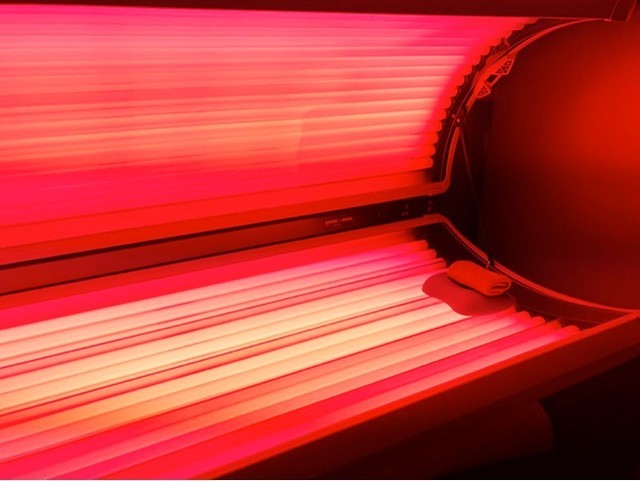
Quality sleep remains one of the most important foundations of human health. Yet many patients struggle with sleep disturbances that affect their energy, recovery, mood, and overall well-being.
Wellness clinics and healthcare practices are increasingly exploring supportive therapies that help patients restore natural sleep rhythms without relying solely on medication. One approach receiving growing professional attention is red light therapy.
Many clinicians now ask an important question when evaluating treatment options. Does red light therapy help with sleep, and if so, how can it support patients who experience difficulty falling or staying asleep?
Research in photobiomodulation and clinical experience from wellness practices suggest that controlled exposure to red and near infrared light may influence biological processes connected to sleep regulation, cellular energy production, and recovery.
As a result, professional red light therapy systems are becoming a valuable addition to integrative wellness programs designed to support restorative sleep.
Human sleep patterns are closely linked to the body’s circadian rhythm. This internal clock regulates cycles of wakefulness and rest over a twenty-four-hour period. Light exposure plays a critical role in guiding this rhythm.
Blue and bright white light signals the brain to remain alert. This type of light is common in phones, computers, and indoor lighting environments. Excess exposure late in the day can interfere with natural sleep signaling.
Red light functions differently. It carries longer wavelengths and lower energy levels compared with blue light. Because of this, red wavelengths are less likely to disrupt the natural evening transition toward rest.
Clinics exploring how red light therapy helps with sleep often focus on the relationship between light exposure and circadian balance. When used in a controlled therapeutic setting, red light may support the body’s ability to transition into a calmer physiological state that encourages rest.
Red light therapy is commonly described as photobiomodulation. This process involves exposing tissue to specific wavelengths of light that interact with cells and influence biological activity.
Research indicates that red and near infrared wavelengths may affect mitochondrial activity inside cells. Mitochondria generate ATP, which is the primary energy currency of the body. When cellular energy production improves, tissues may function more efficiently.
Clinics that incorporate photobiomodulation often report benefits related to recovery, circulation, and inflammation reduction. These same mechanisms may also support improved sleep quality. When the body experiences less inflammation and improved cellular repair, patients may find it easier to relax and recover overnight.
For professionals studying whether red light therapy help with sleep, the connection between mitochondrial activation, cellular energy, and systemic recovery provides an important area of interest.
Sleep challenges are frequently linked to stress and nervous system imbalance. Patients with elevated stress levels often remain in a heightened alert state that makes it difficult to fall asleep.
Red light therapy sessions are typically delivered in calm, controlled clinical environments. Patients often describe the experience as relaxing and restorative. The gentle warmth and consistent light exposure can encourage the body to shift toward a parasympathetic state, which is commonly associated with rest and recovery.
Clinics that offer photobiomodulation treatments frequently observe that patients report a sense of relaxation following sessions. While individual responses vary, this calming effect may contribute to improved sleep routines when therapy is used consistently as part of a broader wellness strategy.
This practical observation helps explain why practitioners continue to investigate how red light therapy helps with sleep in clinical settings.
Another factor that influences sleep quality is hormone regulation. Melatonin plays a central role in signaling the body that it is time to sleep.
Exposure to certain types of light late in the evening can interfere with natural melatonin production. Red wavelengths are less likely to suppress this hormone compared with higher-energy light sources.
Some emerging research suggests that red light exposure may support the body’s natural nighttime signaling processes. While additional research continues to explore this relationship, wellness clinics are increasingly interested in how controlled light environments can help reinforce healthy circadian rhythms.
For clinicians asking, does red light therapy help with sleep, this interaction between light exposure and hormone signaling is another reason the therapy is gaining attention.
Sleep is the body’s primary recovery phase. During rest, tissues repair, inflammation decreases, and metabolic processes reset.
Red light therapy is already widely used in clinical settings for muscle recovery, inflammation reduction, and tissue healing. Because these processes are closely tied to sleep quality, it is reasonable that improving physical recovery may also support better rest.
Many wellness centers incorporate photobiomodulation into recovery programs for athletes and active individuals. Patients often describe improvements in muscle relaxation and overall comfort after sessions. These changes may contribute to a more comfortable and restorative sleep experience.
This connection between recovery and rest continues to shape the discussion around how red light therapy helps with sleep within professional healthcare environments.
Healthcare and wellness professionals increasingly seek safe therapies, non-invasive, and easy to integrate into patient care routines. Red light therapy meets many of these criteria.
Professional systems are designed for clinical use and allow practitioners to deliver consistent light exposure in a controlled setting. Sessions are typically comfortable for patients and can be incorporated alongside other treatments such as physiotherapy, skin rejuvenation programs, or recovery services.
Clinics also value treatments that provide broad wellness benefits. Photobiomodulation supports multiple biological processes, including circulation, cellular repair, and inflammation balance. Because these mechanisms influence overall health, they can contribute to improved patient outcomes across several treatment areas.
Practices that introduce red light therapy often find that patients appreciate therapies that feel restorative while supporting measurable wellness goals.
While research into sleep-specific outcomes continues to develop, many clinics report encouraging feedback from patients who receive regular red light therapy sessions.
Patients often describe improved relaxation before bedtime and a greater sense of physical recovery after treatment. Some report that their sleep feels deeper or more restorative after several weeks of consistent therapy.
Practitioners need to frame these outcomes responsibly. Individual experiences vary, and red light therapy should be considered one part of a comprehensive approach to sleep health that may include lifestyle adjustments, stress management, and proper sleep hygiene.
Nevertheless, the growing number of clinics exploring this therapy reflects the increasing professional interest in non-invasive tools that support overall wellness.
Sleep health remains a major focus for modern healthcare providers. As patients look for holistic solutions that support natural recovery, therapies like photobiomodulation are gaining attention within professional treatment environments.
By supporting mitochondrial activity, improving circulation, encouraging relaxation, and reinforcing healthy light exposure patterns, red light therapy may play a helpful role in wellness programs focused on recovery and rest.
For clinicians asking whether red light therapy for sleep, the answer continues to evolve as research expands and clinical experience grows. What is clear is that many wellness clinics are already seeing value in incorporating this technology into patient care strategies designed to support long-term wellbeing.
Discover how full body red light therapy helps clinics deliver measurable, repeatable results through professional red light therapy systems.
Uneori, divertismentul începe înainte să apară vreun joc pe ecran. Poate fi un moment liniștit, la finalul unei zile aglomerate,
Online casino entertainment is often described through its games, but the first impression usually comes from everything around them. A
An online casino can feel busy before a game has even appeared on screen. Bright tiles, animated banners, crowded menus
Curiosity about an online casino often begins with a glance rather than a decision. A visitor notices a familiar visual