
TX TRANSFORM™
What Is The Science Behind Red Light Therapy?
- Australian-manufactured and precision-engineered PBMT, designed for clinical outcomes and backed by over 6,000 studies.
Red light therapy mechanism of action (PBMT)
Photon Absorption Triggers Mitochondrial Activation
When photons are absorbed by cytochrome C oxidase in the mitochondria, there is a measurable increase in mitochondrial activity, resulting in the upregulation of key cellular compounds :
- Adenosine triphosphate (ATP) – the primary energy carrier
- Nicotinamide adenine dinucleotides (NADH) – essential for redox reactions
- Ribonucleic acid (RNA) – involved in transcription and repair
- Nitric oxide (NO) – a vasodilator that improves oxygen delivery
- Reactive oxygen species (ROS) – which act as transcription factors
Nitric Oxide (NO) Mediated Vasodilation & Systemic Oxygenation
- Restores mitochondrial function, enabling oxygen uptake and ATP synthesis
- Acts as a vasodilator, improving blood flow and oxygen delivery
- Reduces metabolic inhibition, leading to improved cellular resilience

Phototherapy has systemic effects. Even tissues that have not been targeted with light can be affected indirectly via irradiated cell secretions. Activated cells in blood and lymph can travel significant distances from the treatment area and have distant (systemic effects.
The correct dosimetry and wavelengths are important for phototherapy. Treatment results can vary significantly depending on the energy density and delivery. TGA-listed Xen LED delivers the highest intensity of clinically proven wavelengths under strict evidence- based protocols.
Red Light Therapy And Nitric Oxide

The Role of Nitric Oxide in PBMT :
Nitric oxide contributes to three core physiological benefits :
- Vasodilation - Expands arteries, veins, and lymphatic vessels to improve circulation
- Analgesia - Provides natural pain relief
- Angiogenesis - Stimulates the growth of new blood vessels
Nitric Oxide and Red Light Therapy: Backed by Science
Clinical studies show that nitric oxide supports :
- Cognitive function – Enhancing memory and behaviour
- Immune response – Supporting the body’s ability to fight infection and disease
- Blood pressure regulation
- Inflammation control
- Sleep quality
- Physical endurance and strength
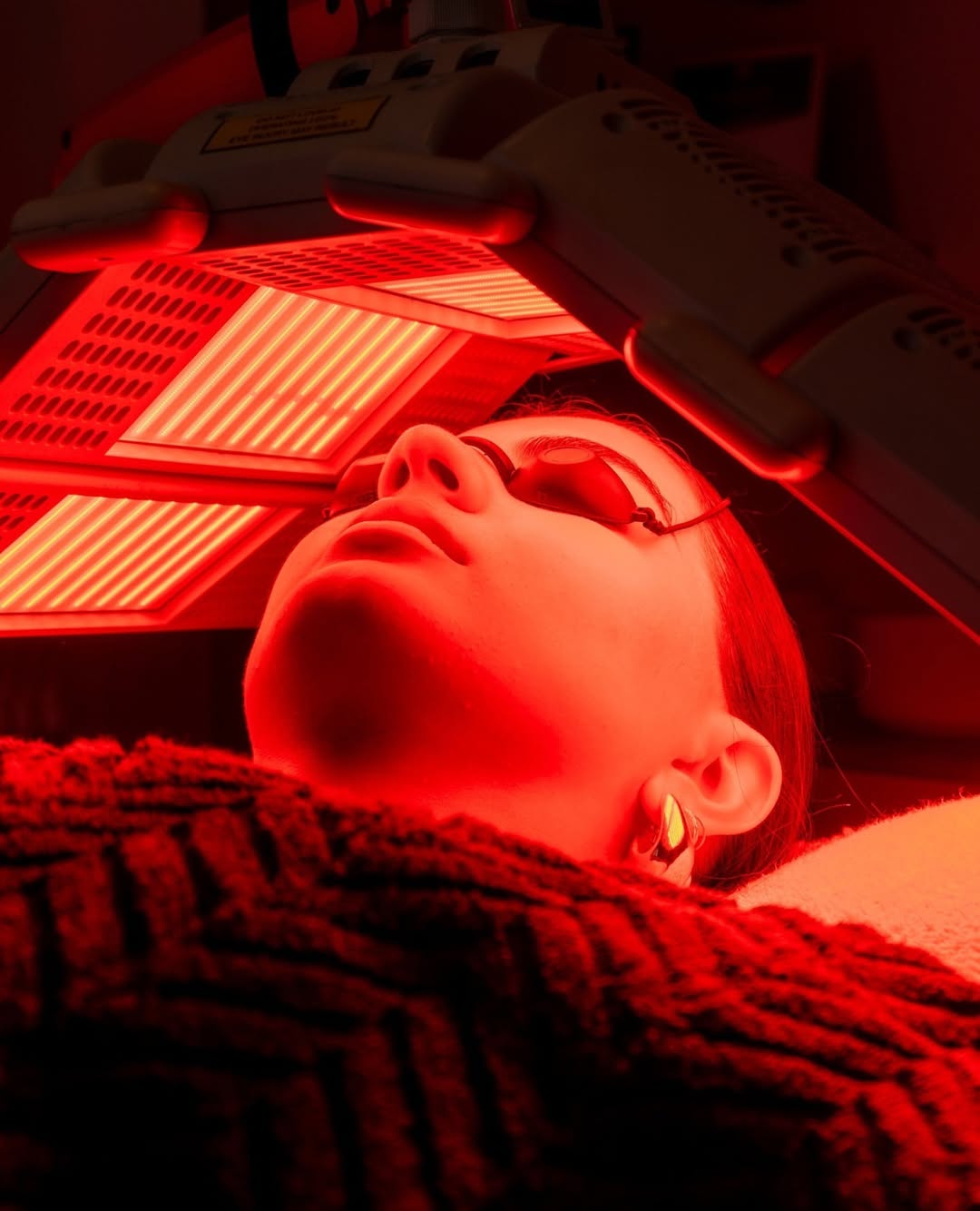
PBMT and ATP Production
Improved Circulation & Oxygenation
Efficient blood flow is essential for optimal cellular performance and systemic health. It delivers oxygen and nutrients where they’re needed most—supporting tissue repair, cardiovascular function, cognitive clarity, and immune resilience.
Photobiomodulation enhances circulation by stimulating nitric oxide release, promoting vasodilation and improved nutrient transport. This optimised flow reduces swelling and pain, accelerates healing, and contributes to healthier skin and organ function.
- Cognitive decline and memory loss
- Cognitive Headache and fatigueand memory loss
- Cardiovascular disease
- Kidney dysfunction
- Peripheral artery disease
- Hair thinning and poor wound healing
- Sexual dysfunction
- Raynaud’s phenomenon
Light-Tissue Interactions: Analgesia
This neuro-regulatory effect allows PBMT to reduce discomfort without pharmaceutical intervention – making it ideal for recovery, inflammation, and chronic pain conditions.
Photobiomodulation supports the body’s natural pain-regulating systems by improving neural function and reducing the transmission of pain signals. It works by :
- Acting as a nerve block, reducing pain signal transmission at the source
- Modulating neural circuits to reduce sensitivity and pain perception
- Suppressing excessive synaptic activity, preventing activation of the pain matrix
- Increasing neuronal response latency, delaying the onset of stimulus-triggered pain
- Toning down hyperactive nerve fibers, especially those transmitting acute pain
Light-Tissue Interactions: Cell Regeneration
This regenerative effect supports angiogenesis (formation of new blood vessels), helping deliver oxygen and nutrients to damaged tissues – essential for recovery, repair, and wound healing.
Photobiomodulation promotes cell regeneration by stimulating angiogenesis — the formation of new blood vessels — which increases oxygen and nutrient delivery to tissues. This enhanced flow supports the repair of damaged or aging tissue and accelerates recovery across skin, muscles, nerves, and joints.
- Improved wound healing and cell turnover
- Enhanced angiogenesis and vascular support
- Increased collagen and cartilage production
- Support for nerve, muscle, and bone regeneration
Clinical Application
Technical Specifications for Clinical Application
Certified Quality
Engineered for Results
Wavelength Precision
Research-Driven Protocols

Red Light Therapy Scientific Evidence Proves These Benefits
02. Targeted Repair, Directed by ATP

03. Systemic Benefits That Travel with You

04. Inflammation & Ageing: The Science of ‘Inflammaging’

01
Optimised Energy Production, Backed by Science
TX Transform targets the powerhouse of your cells the mitochondria stimulating greater ATP (energy) output with every session. This cellular energy boost supports improved muscle recovery, immune function, and whole-body resilience.
Elite athletes naturally develop more efficient mitochondria through rigorous training. TX mimics this effect helping everyday users achieve a higher-performing baseline.
With oxygen, our cells produce 38 ATP molecules. Without it? Just 2.
Photobiomodulation ensures your body uses oxygen more efficiently – delivering performance, not just promise.
Research has also linked mitochondrial dysfunction to conditions like Alzheimer’s, diabetes, and chronic fatigue. By targeting this pathway, TX supports both everyday wellness and clinical longevity strategies.
02
Targeted Repair, Directed by ATP
- It activates macrophages to remove defective or infected cells.
- It signals fibroblasts to start bone remodelling or tissue regeneration.
- It fine-tunes immune responses, reducing inflammation and adapting to what your body needs.
- It even helps the brain release endorphins and serotonin, boosting mood, resilience, and recovery.
03
Systemic Benefits That Travel with You
Photobiomodulation doesn’t just work locally. It creates ripple effects—activating cells that send regenerative signals throughout the body.
Even areas not directly exposed to red light can benefit. Activated cells release biological messengers that travel via blood and lymph, stimulating healing far from the treatment site.
- Treating one side of the face can improve skin quality on the untreated side.
- Distant tissues show measurable changes, from reduced inflammation to enhanced mitochondrial activity.
- This systemic response supports whole-body rejuvenation—skin, immunity, energy, and more.
04
Inflammation & Ageing: The Science of ‘Inflammaging’
Chronic, low-grade inflammation (also known as “inflammaging”) plays a central role in many age-related diseases. From heart disease to neurodegeneration, this persistent state of cellular stress accelerates wear and tear across the body.
Photobiomodulation helps regulate this by increasing nitric oxide levels. This boosts intercellular communication, improves oxygen and nutrient delivery, and reduces the inflammatory signalling that leads to tissue damage and degeneration.
By restoring balance at the source, PBMT becomes a valuable tool in reversing the cascade of inflammation linked to premature ageing and chronic illness.
The result? Calmer immune responses. Better tissue repair.
Less damage over time. More resilience, longer.
Delve into the wellness impact of red light therapy to see scientific backing for wellness claims.
More Than a Machine
A Movement

supported performance system.
What you get :
- Onboarding & expert training
- Technical support & continuous education
- Customisable marketing tools
- Business model options: purchase, lease, revenue share
- Science-backed collateral for staff & members


