

O seară digitală cu lumină, ritm și voie bună
Uneori, divertismentul începe înainte să apară vreun joc pe ecran. Poate fi un moment liniștit, la finalul unei zile aglomerate,
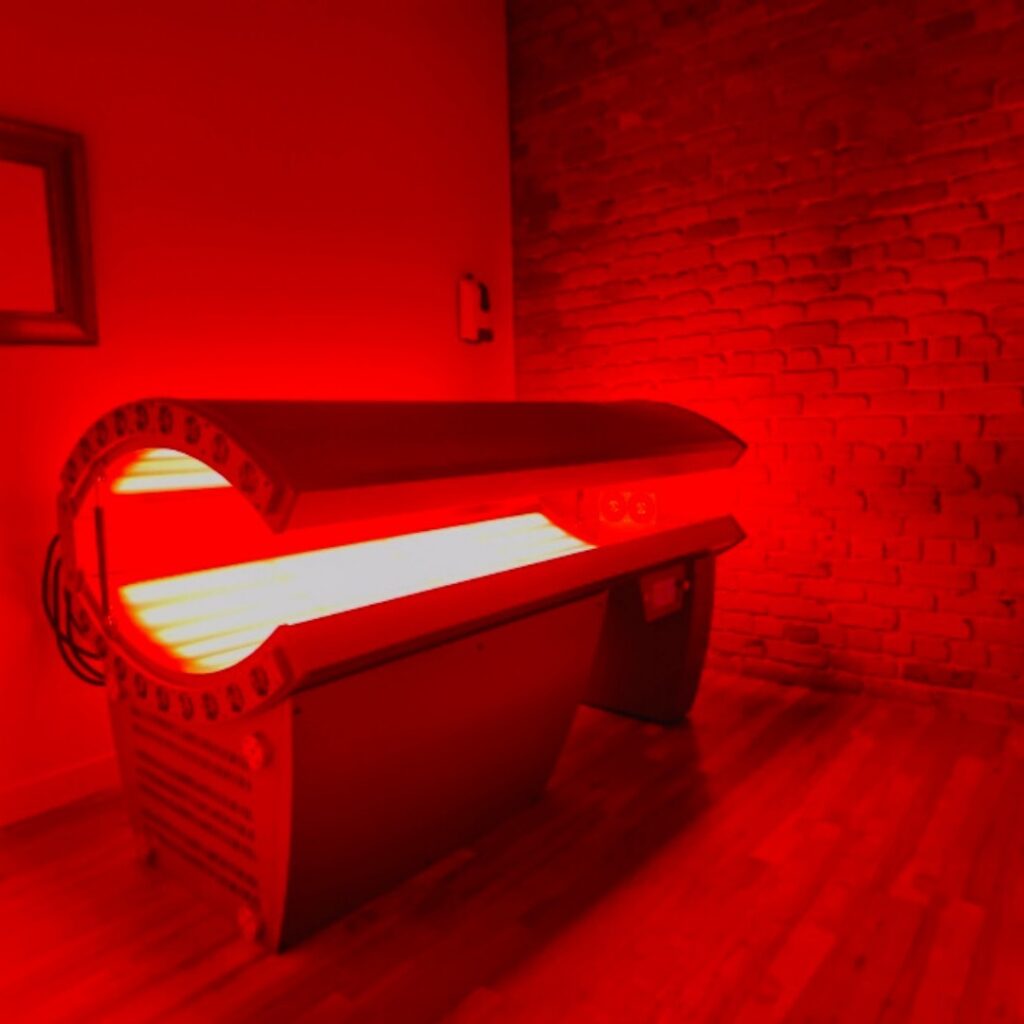
In sports training, the benefits of red light therapy for athletes are usually discussed under the broader term photobiomodulation, or PBM. In practical terms, this means using red or near-infrared light before or after exercise to support performance, recovery, and training tolerance.
The evidence is promising, but it is also protocol-sensitive. Reviews and meta-analyses suggest that results depend on timing, dose, wavelength, and the athlete population being studied.
For clinics, rehab teams, and performance centers, that matters. Athletes do not need vague wellness language. They need a tool that fits into a structured workflow and supports repeatable outcomes.
That is where TX Transform-style professional systems become relevant, because the conversation is not about cosmetic use. It is about recovery, readiness, and measurable support for training programs.
PBM is studied because red and near-infrared light may interact with mitochondrial pathways, especially cytochrome c oxidase, and may influence nitric oxide signaling.
Researchers think this may help explain why light exposure can affect cellular energy handling, oxidative stress, and tissue response to exercise. That is the biological rationale behind many of the red light therapy benefits for athletes discussed in sports medicine.
That said, the mechanism is not a license to overstate the outcome. The science supports a plausible pathway, but the clinical value still depends on how the system is used.
In other words, PBM is best viewed as a performance and recovery adjunct, not a replacement for programming, nutrition, sleep, and rehab.
The strongest interest in sports PBM is often pre-exercise use. A 2024 meta-analysis of randomized controlled trials found that pre-exercise PBM significantly improved muscle endurance and helped recovery of muscle strength and creatine kinase, with moderate to large effect sizes overall.
The same analysis also reported that the benefit was clearer in inactive people and athletes, while no significant benefit was seen in physically active individuals as a broad group.
That nuance is important for professional users. It suggests that PBM may be more useful when it is matched carefully to the athlete, the workload, and the protocol goal.
Another 2025 systematic review of acute PBM effects found improved muscular endurance in healthy young adults and reported that the effect appeared similar for laser and LED, with dose-response patterns that still need careful interpretation.
For sports settings, the practical takeaway is simple. PBM may help some athletes perform a little better in endurance-based or repeat-effort contexts, especially when the treatment is integrated before exercise. It is not a universal performance booster, and it should not be marketed that way.
Recovery is one of the main reasons clinics explore PBM. In the 2024 meta-analysis, pre-application of PBM improved recovery of muscle strength and lowered creatine kinase, which are common markers used in exercise recovery research.
Earlier reviews also describe PBM as a modality that may reduce muscle fatigue and speed soreness recovery in athletes.
That said, the evidence is mixed, which is exactly why professional judgment matters. A randomized, triple-blind, placebo-controlled trial in judo athletes found no positive effect of PBM on fatigue, muscle damage, or soreness after a stretch-shortening cycle protocol.
In other words, some studies show a benefit, and some do not. The difference often comes down to the protocol, the sport, the muscle group, and the way outcomes are measured.
For a clinic or performance center, that means PBM should be positioned as a structured recovery support tool. It may help reduce the physiological cost of demanding training blocks for some athletes, but it should not be presented as a guaranteed fix for soreness or fatigue.
In sports environments, training and rehabilitation often overlap. That is why PBM is also being studied alongside resistance exercise and recovery programming. A 2024 review of PBM as an adjunct to resistance exercise reported improvements in muscle metrics, functional capacity, and functional performance when PBM was combined with exercise.
This supports the idea that light-based therapy can be more useful as part of a broader plan than as a stand-alone intervention.
This is especially relevant for return-to-training pathways, where the goal is not only to reduce symptoms but to restore capacity. Clinics often need interventions that are low-friction, repeatable, and easy to place before or after a session.
PBM fits that operational model well when protocols are chosen carefully. That is one reason professional-grade systems matter in sports and rehab settings.
Because TX Transform focuses on professional full-body systems, it is important to be honest about the evidence base. A 2025 systematic review on whole-body PBM found that, among five identified studies, two reported better sleep quality, but none showed benefits for exercise recovery or exercise performance biomarkers.
The authors concluded that whole-body PBM may improve sleep quality, but there was no evidence of exercise recovery or performance benefit in that review.
That does not make whole-body systems irrelevant. It means the evidence is newer and smaller than the broader localized PBM literature. For providers, the lesson is to avoid overselling.
The best case for full-body systems is not miracle-level performance enhancement. It is consistent delivery, workflow efficiency, and the ability to place PBM into a professional training or recovery environment in a repeatable way.
The overall picture is encouraging, but measured. The benefits of red light therapy for athletes appear most credible when PBM is used pre-exercise, matched to the athlete and protocol, and combined with training or rehab planning.
The research suggests possible gains in endurance, recovery markers, and muscle stress management, but it also shows that results are not uniform across every population or every device format.
For clinics, that is actually a strength. It creates a clear professional standard. Use PBM as part of a broader recovery and performance system, keep the language factual, and focus on repeatability rather than hype. That is the kind of positioning that aligns with athlete care, rehabilitation, and the practical reality of modern sports training.
Uneori, divertismentul începe înainte să apară vreun joc pe ecran. Poate fi un moment liniștit, la finalul unei zile aglomerate,
Online casino entertainment is often described through its games, but the first impression usually comes from everything around them. A
An online casino can feel busy before a game has even appeared on screen. Bright tiles, animated banners, crowded menus
Curiosity about an online casino often begins with a glance rather than a decision. A visitor notices a familiar visual