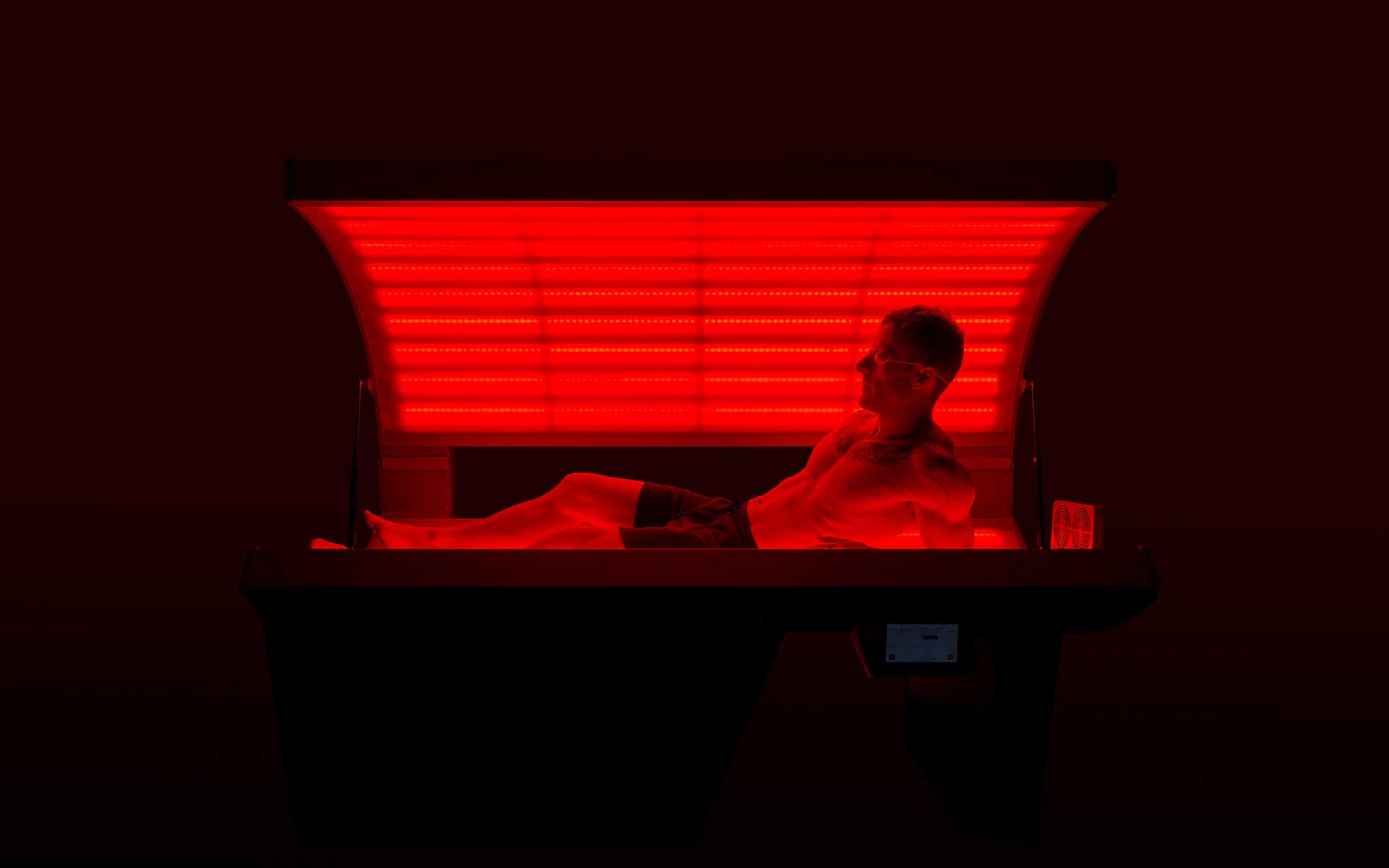
Athletes recover differently today than they did even a few years ago. Recovery is no longer treated as downtime. It is now part of the performance strategy. Professional sports clinics, physiotherapy practices, wellness centers, and rehabilitation facilities are increasingly integrating
photobiomodulation into structured recovery programs because athletes want consistent support for soreness, fatigue, tissue stress, and performance readiness.
That is where the conversation around the best red light therapy for athletes becomes more important. The right system is not simply about bright LEDs or wellness trends. For clinical environments, the focus is on treatment consistency, repeatable protocols, reliability, and measurable recovery outcomes.
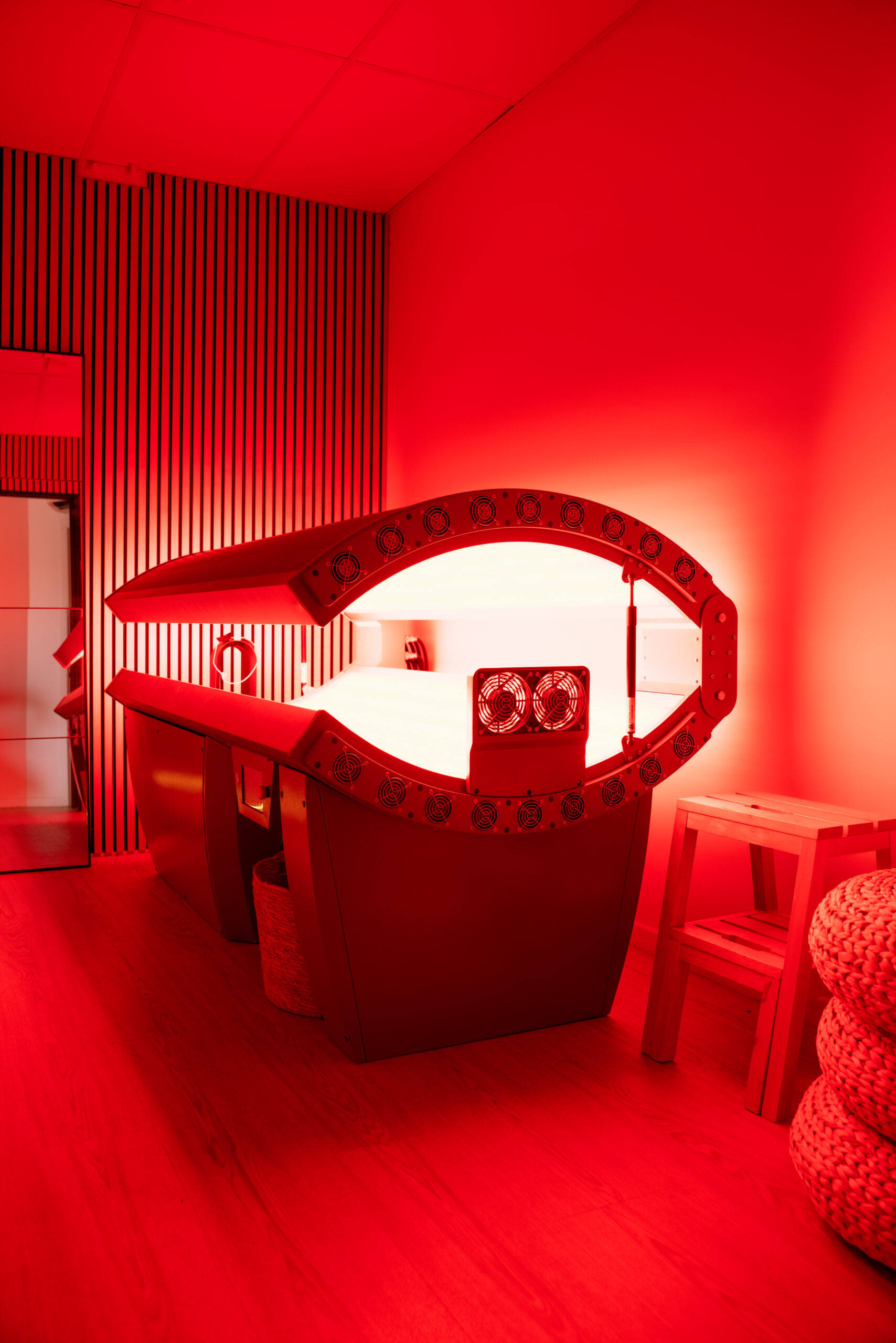
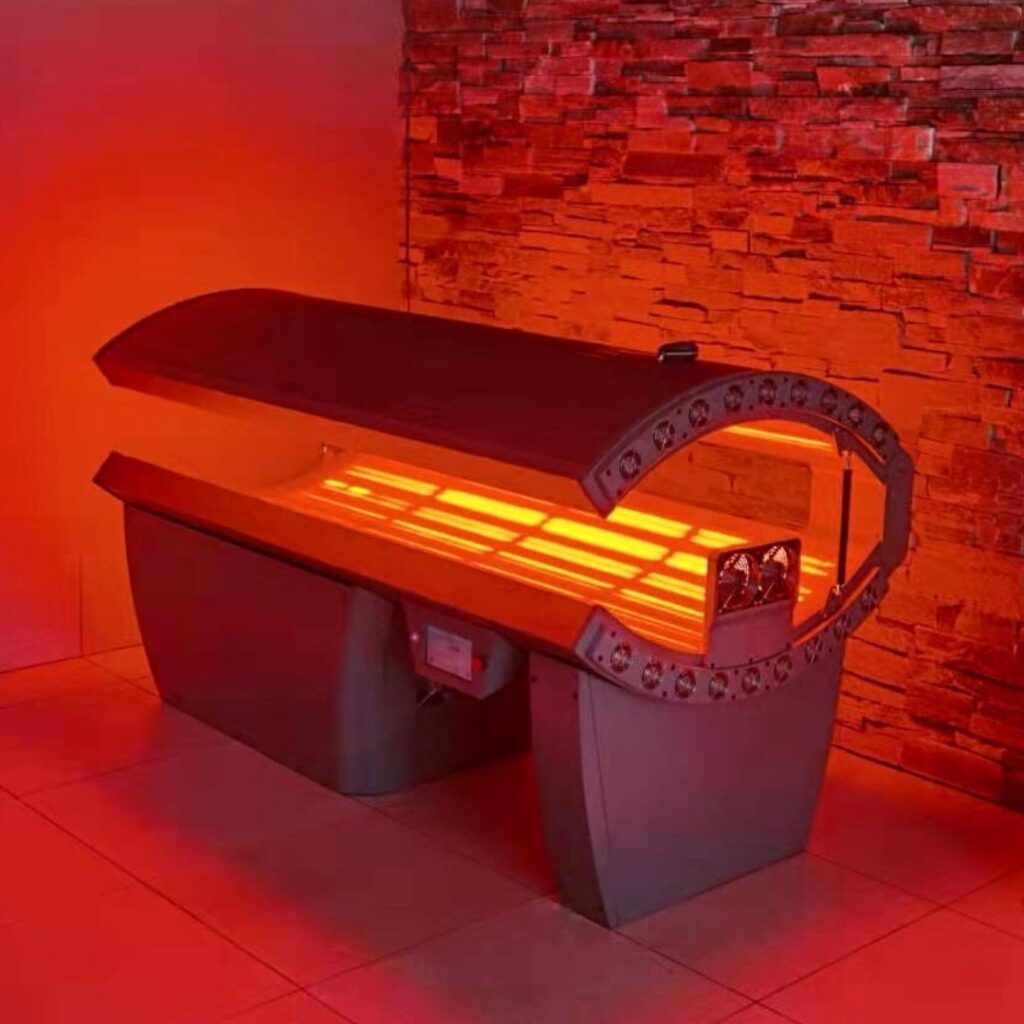
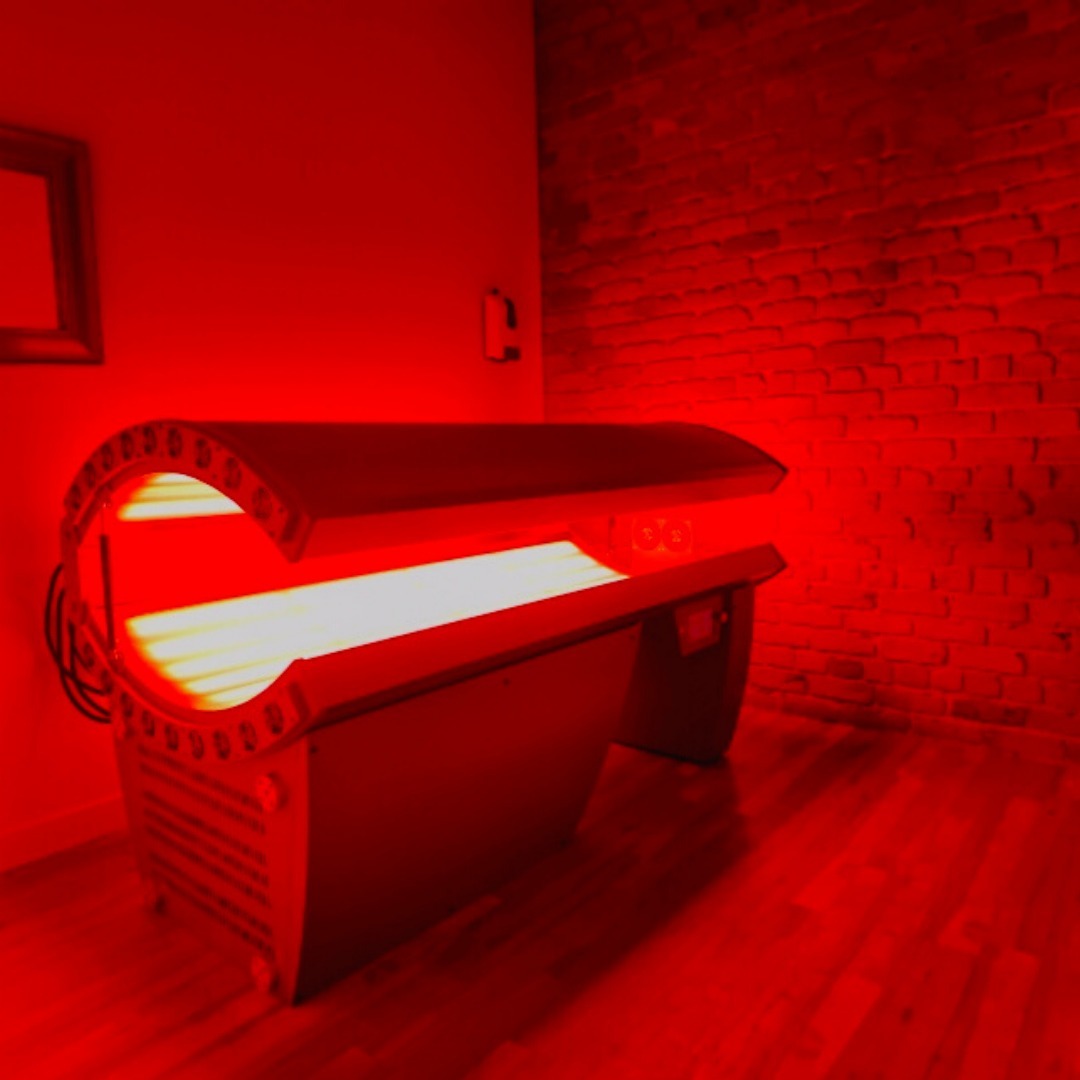
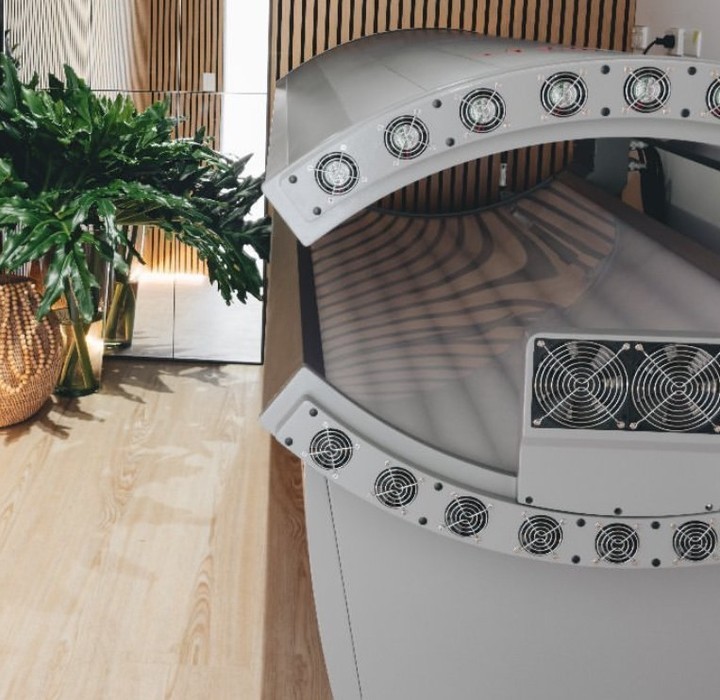
TX Transform, developed by Total XEN, was built specifically for professional environments that require full-body photobiomodulation systems capable of supporting recovery, performance, and long-term wellness programs.
According to the company, its systems are used by clinics, wellness centers, and elite athletic facilities seeking scalable recovery solutions.
Why athletes are turning to photobiomodulation
High-performance athletes constantly balance training stress with recovery capacity. When recovery falls behind, soreness accumulates, movement quality declines, and injury risk can increase.
Photobiomodulation uses red and near-infrared light to support cellular activity associated with tissue repair and recovery processes. Research commonly discusses mitochondrial activation, ATP production, circulation support, and inflammation modulation as mechanisms linked to recovery and performance applications.
For athletes, the appeal is practical. Sessions are non-invasive, require no downtime, and can be integrated into recovery workflows alongside physiotherapy, mobility training, hydration, and strength programming.
Clinics often report that athletes describe:
- Reduced post-training soreness
- Improved readiness between sessions
- Better recovery consistency during high training loads
- Improved comfort around chronically overloaded areas
Importantly, professional providers understand that photobiomodulation is not a replacement for rehabilitation or sports medicine. It works best as part of a broader recovery strategy.
What makes the best red light therapy setup for athletes?
Many consumer-focused devices promote red light therapy, but professional athletic environments need something very different.
The best red light therapy setup for athletes is typically one that delivers:
- Consistent full-body light exposure
- Reliable treatment protocols
- Clinical-grade engineering
- Comfortable session workflows
- Durable performance in high-volume environments
Athletic recovery facilities also need systems that fit operational realities. Sessions must be easy to schedule, repeatable across users, and simple for staff to manage.
That is why many sports recovery centers favor full-body systems over smaller handheld consumer devices. Full-body exposure allows providers to address multiple muscle groups simultaneously, which is particularly useful for athletes managing whole-body fatigue after intense training or competition.
TX Transform positions its systems around this professional recovery model. The company describes its photobiomodulation systems as engineered for clinics, wellness centers, and elite recovery environments that require reliability, efficiency, and repeatable treatment consistency.
Full-body recovery matters in athletic environments
Localized treatment can be valuable for isolated injuries, but athletes often present with systemic recovery demands. Lower body fatigue, spinal loading, shoulder stress, and nervous system fatigue can all occur simultaneously during heavy training cycles.
This is where full-body systems become more practical in professional settings.
According to Total XEN, sessions are commonly structured in short 10 to 15-minute timeframes, making them easier to integrate into recovery schedules without disrupting training programs.
Clinics using full-body photobiomodulation often integrate sessions:
- Post-training
- During rehabilitation programs
- Between competitions
- Alongside physiotherapy treatment plans
- Within athlete wellness memberships
The operational simplicity matters just as much as the technology itself. Recovery programs only work when athletes can follow them consistently.
Why professional-grade engineering matters
One of the biggest differences between consumer wellness devices and clinical systems is engineering consistency.
Professional clinics need systems capable of maintaining performance across repeated daily usage. Cooling systems, treatment efficiency, session comfort, and build quality all affect long-term usability.
TX Transform emphasizes medical-grade construction, calibrated light delivery, and commercial durability as core features of its systems. The company also highlights ISO 13485:2016 certification standards and clinical compliance positioning for professional facilities.
That matters because practitioners increasingly want recovery technologies that align with professional healthcare standards rather than consumer wellness marketing.
For athletic facilities, reliability directly affects workflow efficiency and patient confidence.
Supporting pain relief without overstating outcomes
Athletes frequently seek recovery technologies for discomfort associated with training load, repetitive movement, and post-exercise fatigue.
Research into photobiomodulation continues to explore its role in:
- Muscle recovery
- Exercise-induced soreness
- Circulation support
- Tissue healing support
- Recovery efficiency
However, responsible clinics avoid exaggerated claims.
Instead, many providers position red light therapy as a supportive recovery modality that complements rehabilitation, manual therapy, movement correction, and performance programming.
That balanced positioning is increasingly important in professional healthcare and sports environments where evidence-based communication matters.
TX Transform’s messaging reflects this more clinical approach by focusing on recovery support, wellness optimization, and repeatable treatment outcomes rather than dramatic consumer-style promises.
The growing role of recovery-focused wellness centers
Athletic recovery is no longer limited to elite professional teams. Wellness centers, physiotherapy clinics, and integrated recovery studios are expanding access to technologies once associated mainly with high-performance sport.
Facilities now use photobiomodulation as part of:
- Recovery memberships
- Performance optimization programs
- Rehabilitation support services
- Wellness and longevity offerings
- Athlete-focused treatment packages
This broader wellness integration is one reason full-body systems continue gaining attention. Clinics want technologies that can support multiple patient demographics while maintaining professional treatment standards.
According to Total XEN, many facilities integrate photobiomodulation into broader wellness and recovery environments focused on sleep support, energy balance, skin wellness, recovery, and performance optimization.
Choosing the right solution for athletic recovery
The best red light therapy for athletes is not necessarily the most aggressive or over-marketed device. In professional settings, the best systems are usually the ones that deliver:
- Consistent treatment experiences
- Reliable operational performance
- Comfortable session workflows
- Integration flexibility for clinics
- Evidence-informed recovery support
For clinics, physiotherapy practices, and wellness centers, the goal is not simply adding another wellness trend. It is creating repeatable recovery programs that athletes trust and continue using over time.
That is why professional full-body photobiomodulation systems continue gaining traction across modern recovery environments.
Discover how TX Transform helps clinics, wellness centers, and rehabilitation facilities deliver structured, professional red light therapy experiences designed for recovery, performance, and measurable wellness outcomes.