

O seară digitală cu lumină, ritm și voie bună
Uneori, divertismentul începe înainte să apară vreun joc pe ecran. Poate fi un moment liniștit, la finalul unei zile aglomerate,
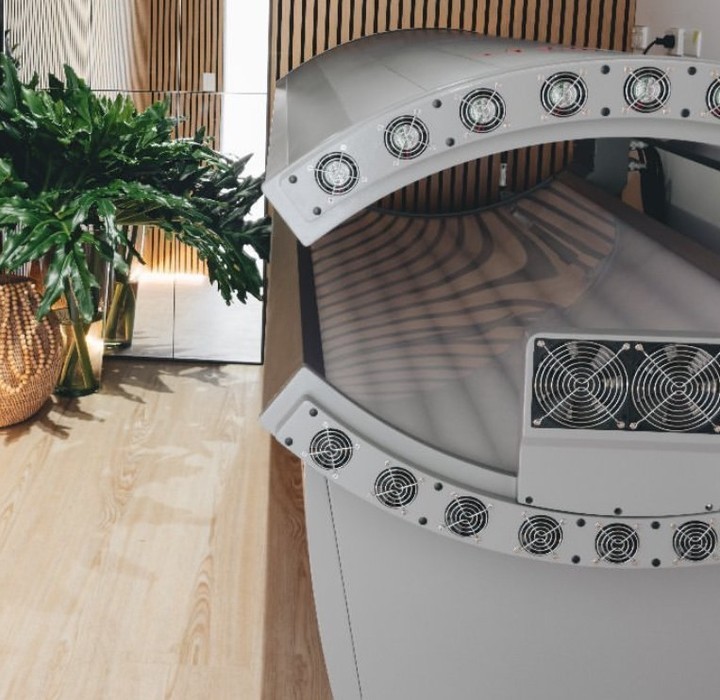
Mood regulation is deeply connected to biological processes such as circadian rhythm balance, neurotransmitter activity, and cellular energy production.
In clinical environments, there is growing interest in whether photobiomodulation, commonly referred to as red light therapy, can support these systems in a measurable way. So, does red light therapy boost mood?
Current research suggests there is potential, particularly when used in structured, professional settings. However, the outcomes depend on treatment protocols, consistency, and patient-specific factors.
This article explores what the science says and how clinics are approaching red light therapy for mood in practice.
Red light therapy operates within the broader category of photobiomodulation, often using red and near-infrared wavelengths. These wavelengths are known to penetrate tissue and interact with mitochondria, the energy centers of cells.
Research indicates that this interaction may:
These effects are not limited to skin or muscle tissue. In transcranial applications, light exposure may influence brain regions involved in emotional regulation.
Clinics using red light therapy for mood boost often focus on these foundational biological mechanisms rather than positioning it as a direct mood-altering intervention.
The clinical evidence is evolving, but several systematic reviews provide useful direction.
A meta-analysis of randomized controlled trials found that photobiomodulation showed a moderate reduction in depressive symptoms, with measurable improvements across multiple studies.
Another review examining near-infrared stimulation in psychiatric conditions describes the therapy as a non-invasive, low-risk approach with potential applications in mood disorders, though it emphasizes the need for standardized protocols.
Earlier clinical research also highlights that photobiomodulation may influence key contributors to depression, including:
In practical terms, this means the therapy is not targeting mood directly. Instead, it may support the biological systems that influence mood stability.
Clinics and researchers generally point to three core pathways:
Improved mitochondrial activity may enhance neuronal performance. When brain cells function more efficiently, patients may experience better cognitive clarity and emotional balance.
Light exposure may support blood flow and oxygen delivery to targeted tissues. In brain-focused applications, this can contribute to improved neural activity and regulation.
Chronic inflammation is often associated with mood disorders. Photobiomodulation has been studied for its role in reducing inflammatory markers, which may indirectly support mood improvement.
Some clinical observations also suggest improved sleep patterns, which are closely tied to emotional health, although findings here are less consistent.
While research continues to develop, clinics using red light therapy for mood often report consistent patterns:
It is important to frame these as experience-based outcomes, not guaranteed results.
Consistency appears to be a key factor. Research protocols often involve multiple sessions over several weeks, rather than isolated treatments.
Despite promising findings, there are clear limitations:
There is also a broader industry challenge. Commercial claims often outpace clinical validation, which makes it essential for professionals to rely on structured systems and evidence-informed protocols rather than consumer-grade assumptions.
Based on current evidence, a balanced clinical perspective would be:
In other words, the question is not simply “does red light therapy boost mood?” but rather “how can it support the systems that influence mood?”
This distinction is critical for maintaining clinical credibility.
One of the key differences between research outcomes and real-world variability is the quality of the system being used.
Professional-grade photobiomodulation systems are designed to deliver:
These factors directly impact whether clinics can translate research into measurable patient experiences.
The growing body of research suggests that red light therapy for mood boost has a credible scientific foundation, particularly through its effects on cellular energy, inflammation, and brain function.
However, it remains a supportive therapy, not a replacement for established mental health treatments.
For clinics, the opportunity lies in integrating photobiomodulation into broader wellness and recovery strategies, where it can contribute to improved patient outcomes over time.
Uneori, divertismentul începe înainte să apară vreun joc pe ecran. Poate fi un moment liniștit, la finalul unei zile aglomerate,
Online casino entertainment is often described through its games, but the first impression usually comes from everything around them. A
An online casino can feel busy before a game has even appeared on screen. Bright tiles, animated banners, crowded menus
Curiosity about an online casino often begins with a glance rather than a decision. A visitor notices a familiar visual