

O seară digitală cu lumină, ritm și voie bună
Uneori, divertismentul începe înainte să apară vreun joc pe ecran. Poate fi un moment liniștit, la finalul unei zile aglomerate,
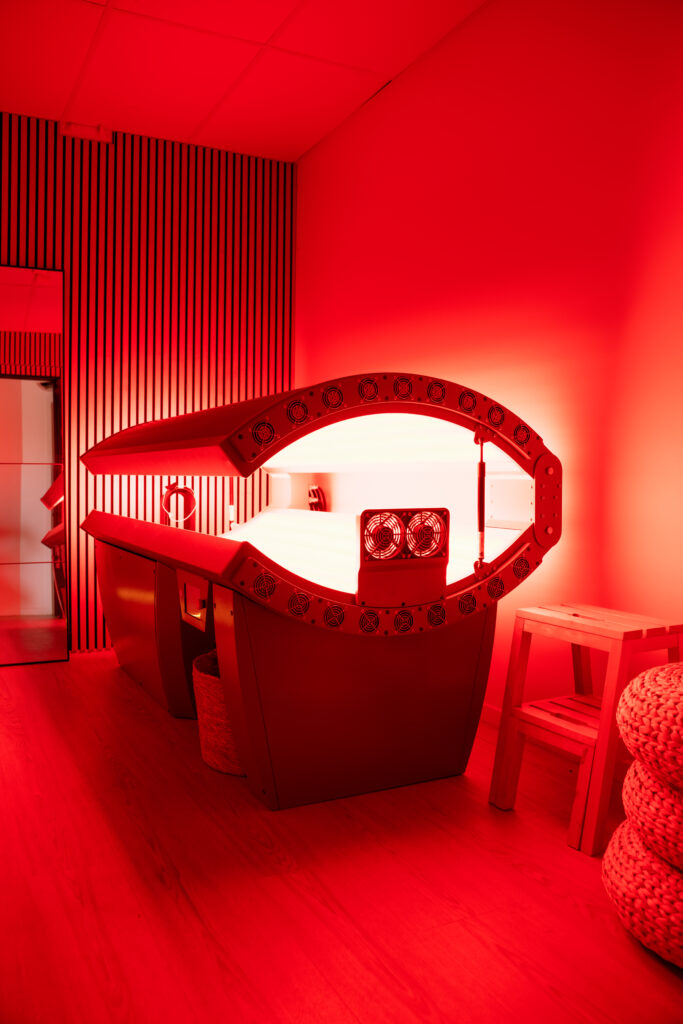
Athletic recovery is not a luxury. It is part of performance. When training volume rises, the body needs a reliable way to reset, repair, and adapt so the next session can be productive. That is why red light therapy for athletic recovery has drawn attention in sports medicine, physiotherapy, and performance-focused wellness settings.
In the research literature, it is usually called photobiomodulation, or PBM. It refers to the use of red or near-infrared light to influence tissue at the cellular level.
Reviews in sports medicine describe localized PBM as a non-invasive approach that may support exercise recovery and performance, although results depend heavily on protocol and application.
For athletes, the real question is practical: can it help the body recover between hard sessions, competitions, and travel-heavy weeks? The answer is cautious but promising.
Studies in athletes have reported improvements in perceived fatigue, sprint performance, and recovery-related measures when PBM is applied before exercise.
A randomized, double-blind trial in high-level rugby players found better sprint outcomes and lower perceived fatigue with pre-exercise PBMT, and a later meta-analysis concluded that PBMT applied before exercise can reduce soreness and improve performance at 24 hours after exercise-induced damage.
Yes, it may help, but the details matter. The question of whether red light therapy can help with muscle recovery for athletes does not have a simple universal answer because the effects depend on timing, dose, wavelength, and whether the treatment is localized or full-body.
A 2022 systematic review comparing PBMT with cryotherapy examined muscle recovery outcomes after exercise and shows how seriously the field is now evaluating light therapy against other recovery methods.
At the same time, another meta-analysis found that PBMT research is still complicated by wide variation in light parameters and application protocols, which makes it harder to standardize results across studies.
What does that mean in practice? It means clinicians and athletes should view PBM as a recovery support tool, not a miracle fix. The most credible evidence points to benefits such as reduced soreness, improved perceived readiness, and better recovery after certain types of exercise stress.
But the evidence is not identical across all settings, and some newer research suggests that whole-body PBM may not improve exercise recovery or performance, even though it may help sleep quality. That distinction matters for professional facilities choosing the right system for their population and goals.
One of the clearest findings across the research is that protocol consistency matters. A systematic review and meta-analysis on PBMT for exercise performance and muscular fatigue found 39 trials and highlighted substantial variability in light parameters and timing.
In other words, the technology itself is only part of the story. How it is used determines whether it is likely to be useful.
For recovery programs, that is an important lesson. Athletes do best when their recovery tools are predictable, repeatable, and easy to fit into existing training routines. Pre-exercise use has shown promising results in several studies, while post-exercise use is not always equivalent.
The broader takeaway is that PBM appears to work best when it is part of a structured system, not a random add-on after training.
This is where the TX Transform positioning becomes important. On the TX Transform wellness page, the brand emphasizes photobiomodulation for recovery, performance, and practical professional use in wellness centers, gyms, and integrated clinics.
It also frames the system around short, comfortable sessions, consistency, and measurable support for recovery. That approach fits the way athletes actually use recovery tools in real programs.
For clinics, rehab centers, and performance facilities, the value is not just whether light therapy sounds innovative. The value is whether it can be integrated into a repeatable workflow.
TX Transform’s messaging centers on recovery, performance, and structured use, which is exactly the kind of positioning that resonates with trained professionals working with athletes.
The site also frames the system as something that supports post-workout soreness, steady energy, and practical adherence through short booking windows and goal-based sessions.
That matters because athlete recovery is often limited by consistency, not intention. Many athletes know they should recover better. The challenge is building a routine that they will actually follow during demanding training blocks. A professional system that fits easily into a clinic, gym, or performance center can make that much more realistic. TX Transform’s website presents the system in that exact context.
Athletes considering red light therapy should think in terms of support, not replacement. It does not replace sleep, nutrition, mobility, hydration, or smart training design. The strongest use case is as part of a broader recovery strategy that also includes the basics.
The research suggests that PBM may be most useful when those fundamentals are already in place, and the goal is to improve repeatability, reduce soreness, and support readiness for the next session.
It is also worth separating localized PBM from whole-body systems. The evidence for localized treatment around exercise recovery is more encouraging than the evidence for whole-body PBM in recent review work.
A 2025 systematic review reported that whole-body PBM may improve sleep quality, but found no evidence of benefits for exercise recovery or performance in the studies reviewed. For professional buyers, that means the system choice should match the intended outcome, and claims should stay grounded in what the evidence actually supports.
For athletes, red light therapy for athletic recovery is best understood as a professional recovery tool with real potential, but not a universal guarantee. The current research suggests that PBM can help some athletes recover better, especially when it is applied with the right timing and protocol.
At the same time, the evidence is still evolving, and whole-body approaches do not yet show the same consistency as localized applications.
For clinics, wellness centers, and rehabilitation facilities, this creates an opportunity. The right system should be professional, repeatable, and easy to integrate into an athlete’s routine. TX Transform is positioned around exactly that kind of use case, with a focus on recovery, performance, and practical professional delivery.
Uneori, divertismentul începe înainte să apară vreun joc pe ecran. Poate fi un moment liniștit, la finalul unei zile aglomerate,
Online casino entertainment is often described through its games, but the first impression usually comes from everything around them. A
An online casino can feel busy before a game has even appeared on screen. Bright tiles, animated banners, crowded menus
Curiosity about an online casino often begins with a glance rather than a decision. A visitor notices a familiar visual