

O seară digitală cu lumină, ritm și voie bună
Uneori, divertismentul începe înainte să apară vreun joc pe ecran. Poate fi un moment liniștit, la finalul unei zile aglomerate,
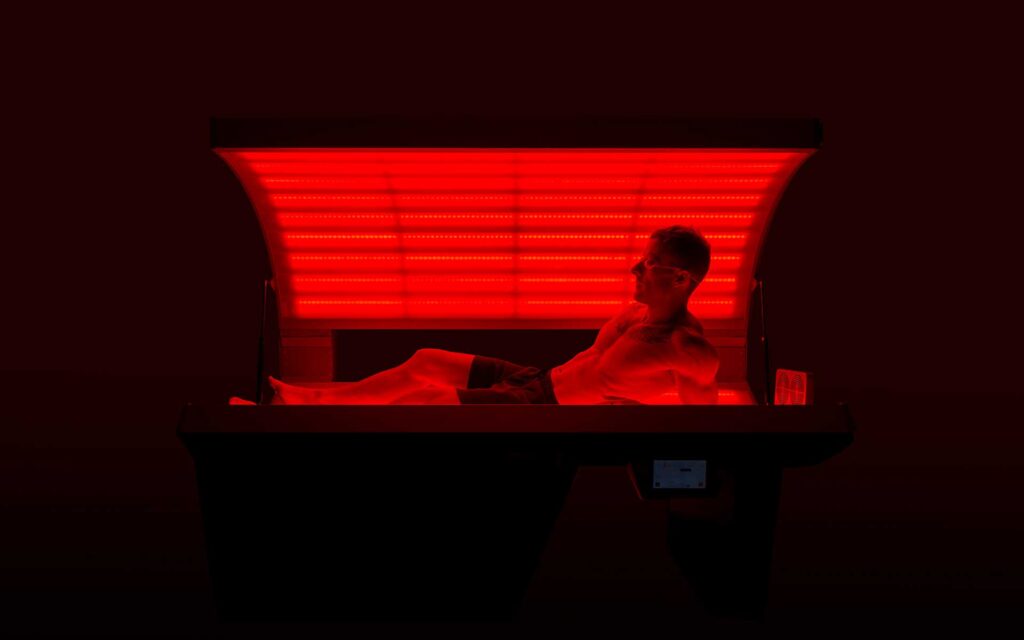
Mood regulation is closely tied to biological processes such as circadian rhythm, neurotransmitter balance, and cellular energy production. Light-based therapies have long been used in clinical settings, particularly for seasonal affective disorder.
More recently, red light therapy, also known as photobiomodulation, has gained attention for its potential role in supporting mood.
For clinics and wellness professionals, the question is not whether light influences mood. It clearly does. The more relevant question is whether red and near-infrared light can produce consistent, measurable improvements in mood-related outcomes.
Red light therapy uses specific wavelengths of red and near-infrared light to stimulate cellular processes. This is often described as photobiomodulation, where light energy is absorbed by mitochondria, leading to increased ATP production and improved cellular function.
In professional settings, these systems are designed to deliver controlled, repeatable exposure. The goal is not cosmetic enhancement but physiological support, including tissue repair, inflammation reduction, and potentially neurological effects.
Emerging research suggests a meaningful link between photobiomodulation and mood regulation.
A systematic review and meta-analysis of randomized controlled trials found that photobiomodulation significantly reduced depressive symptoms across multiple studies.
This type of evidence is important because it aggregates data across different patient populations and treatment protocols, providing a broader clinical perspective.
In controlled trials, light-based interventions have also shown measurable changes in standardized depression rating scales. For example, a 2025 randomized trial using light therapy devices reported improvements in patients with mild depression over a four-week treatment period.
While these findings are promising, they also highlight variability. Treatment parameters such as wavelength, duration, and application site differ widely, which can influence outcomes.
From a mechanistic standpoint, several pathways are being explored.
Photobiomodulation enhances mitochondrial function, increasing ATP production. This rise in cellular energy may support brain function, particularly in areas linked to mood regulation.
Research suggests that red and near-infrared light can improve circulation. Enhanced blood flow to brain tissue may support cognitive clarity and emotional stability.
There is growing interest in how light therapy may influence serotonin, dopamine, and melatonin pathways. These neurotransmitters play a central role in mood, sleep, and overall mental well-being.
Chronic inflammation has been linked to mood disorders. Photobiomodulation is known to reduce inflammatory markers, which may indirectly support mood improvement.
Clinically, these mechanisms are not isolated. They work together, contributing to a broader systemic response.
Beyond controlled studies, clinical observations offer additional insight.
Clinics often report that patients undergoing consistent red light therapy sessions describe:
These outcomes are typically gradual. They are most noticeable when therapy is applied consistently over several weeks as part of a structured protocol.
It is also worth noting that mood-related improvements are often observed alongside other benefits such as reduced inflammation or enhanced recovery, suggesting a whole-system effect rather than a single-target outcome.
Experts in the field generally agree on two points.
First, photobiomodulation shows real potential as a supportive modality for mood. Clinical research and early trials indicate measurable improvements in depressive symptoms and overall well-being.
Second, the evidence is still evolving. Variability in study design, device quality, and treatment protocols makes it difficult to standardize outcomes across all settings.
For healthcare professionals, this reinforces the importance of using reliable, clinically designed systems and evidence-informed protocols.
While the potential is clear, red light therapy should not be positioned as a standalone treatment for mood disorders.
Key considerations include:
Importantly, mood disorders are complex and multifactorial. Light therapy may support improvement, but it does not replace established medical or psychological interventions.
For clinics, red light therapy can be integrated into wellness, recovery, and rehabilitation programs.
Its value lies in:
When positioned correctly, it becomes part of a multi-modal approach rather than a single solution.
The current body of research indicates that red light therapy can support mood improvement, particularly when used consistently in a clinical setting.
Evidence from randomized trials and meta-analyses suggests a measurable reduction in depressive symptoms. At the same time, clinical experience shows that patients often report improved well-being, sleep, and energy levels.
However, results depend on proper application, and the field is still developing standardized protocols.
Red light therapy represents a promising tool for clinics looking to support mood and overall wellness through non-invasive methods. Its effects appear to be rooted in fundamental biological processes such as cellular energy production, circulation, and inflammation control.
For healthcare professionals, the focus should remain on evidence-based application, patient safety, and realistic expectations.
Uneori, divertismentul începe înainte să apară vreun joc pe ecran. Poate fi un moment liniștit, la finalul unei zile aglomerate,
Online casino entertainment is often described through its games, but the first impression usually comes from everything around them. A
An online casino can feel busy before a game has even appeared on screen. Bright tiles, animated banners, crowded menus
Curiosity about an online casino often begins with a glance rather than a decision. A visitor notices a familiar visual