

Bonusul Las Vegas fără depunere: plafonul câștigurilor și limitele de retragere
Un bonus fără depunere oferă acces la jocuri online fără ca utilizatorul să alimenteze mai întâi contul. În cazul unui
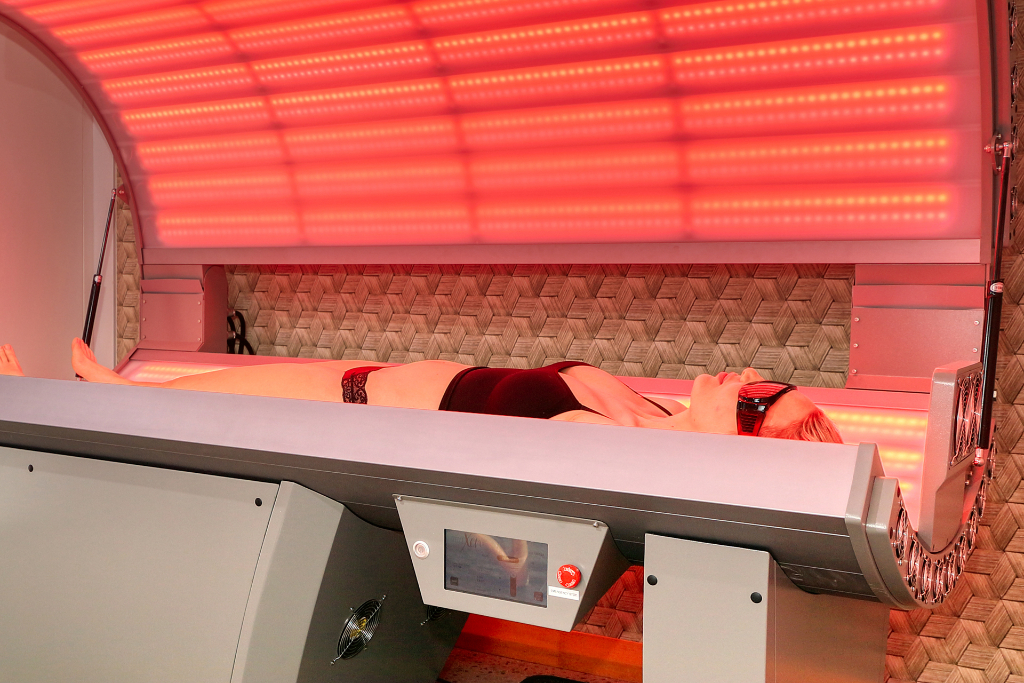
Sleep quality is one of the most common concerns raised in clinical and wellness settings. Patients report difficulty falling asleep, staying asleep, or waking without feeling restored. As interest in non-pharmacological interventions grows, red light therapy is increasingly integrated into recovery, wellness, and nervous system regulation programs.
A frequent question from clinicians and patients alike is straightforward. What is the best time to do red light therapy for sleep? Morning or night?
The answer depends on how sleep disruption presents and how red light therapy is positioned within care. Timing matters, but context matters more. This article explains how red light therapy interacts with sleep biology, how morning and evening sessions differ, and how clinics can guide patients toward consistent, measurable outcomes.
Photobiomodulation uses specific red and near-infrared wavelengths to influence cellular function. These wavelengths penetrate tissue and interact with mitochondria, supporting ATP production and cellular energy.
From a sleep perspective, the effects are indirect but clinically relevant.
Research and clinical experience suggest red light therapy may support sleep by:
Unlike blue light, red light does not meaningfully suppress melatonin production. This distinction is central when considering evening use.
The circadian rhythm is regulated by light exposure, physical activity, and hormonal signaling. Bright blue enriched light in the morning supports alertness, while reduced light exposure in the evening allows melatonin to rise.
Red light occupies a different category. It delivers biological stimulation at the cellular level without strongly signaling wakefulness to the brain. This allows flexibility in timing when protocols are properly structured.
Morning red light therapy is commonly used in clinics focused on rehabilitation, recovery, and performance-based care.
Clinics that schedule sessions earlier in the day often observe:
By improving daytime function, morning sessions can indirectly strengthen nighttime sleep quality.
Morning red light therapy may suit:
Evening use is frequently discussed in sleep-focused programs, particularly where relaxation and nervous system regulation are priorities.
Clinics commonly report that patients describe a calming response after evening sessions. This may be related to:
Because red light does not strongly interfere with melatonin production, it can be used later in the day when guided appropriately.
Evening red light therapy may support:
There is no universal timing that works best for every patient. Instead, the best time to do red light therapy for sleep depends on the primary driver of sleep disturbance.
Some clinics report benefits from split protocols, using shorter morning sessions for energy balance and targeted evening sessions for relaxation.
Across clinical environments, consistency appears more important than the clock.
Photobiomodulation effects are cumulative. Cellular signaling, circulation support, and tissue response build gradually with repeated exposure. Irregular use often leads to mixed patient feedback.
Clinics that follow structured schedules tend to report more reliable outcomes, including:
Professional-grade systems are designed for controlled, repeatable clinical use. Sleep-focused protocols should always be adjusted based on patient response.
Best practice includes:
Red light therapy is most effective when integrated into a broader care strategy. This may include sleep hygiene education, stress management, pain reduction, and circadian awareness.
When positioned as part of a structured clinical program, red light therapy supports recovery, balance, and long-term patient confidence.
Morning or night. What’s better? The answer depends on the patient, the clinical objective, and the overall treatment framework. Both timings can support sleep when applied thoughtfully. Consistency, professional oversight, and realistic expectations remain the foundation of reliable outcomes.
Un bonus fără depunere oferă acces la jocuri online fără ca utilizatorul să alimenteze mai întâi contul. În cazul unui
Uneori, divertismentul începe înainte să apară vreun joc pe ecran. Poate fi un moment liniștit, la finalul unei zile aglomerate,
Online casino entertainment is often described through its games, but the first impression usually comes from everything around them. A
An online casino can feel busy before a game has even appeared on screen. Bright tiles, animated banners, crowded menus