

Bonusul Las Vegas fără depunere: plafonul câștigurilor și limitele de retragere
Un bonus fără depunere oferă acces la jocuri online fără ca utilizatorul să alimenteze mai întâi contul. În cazul unui
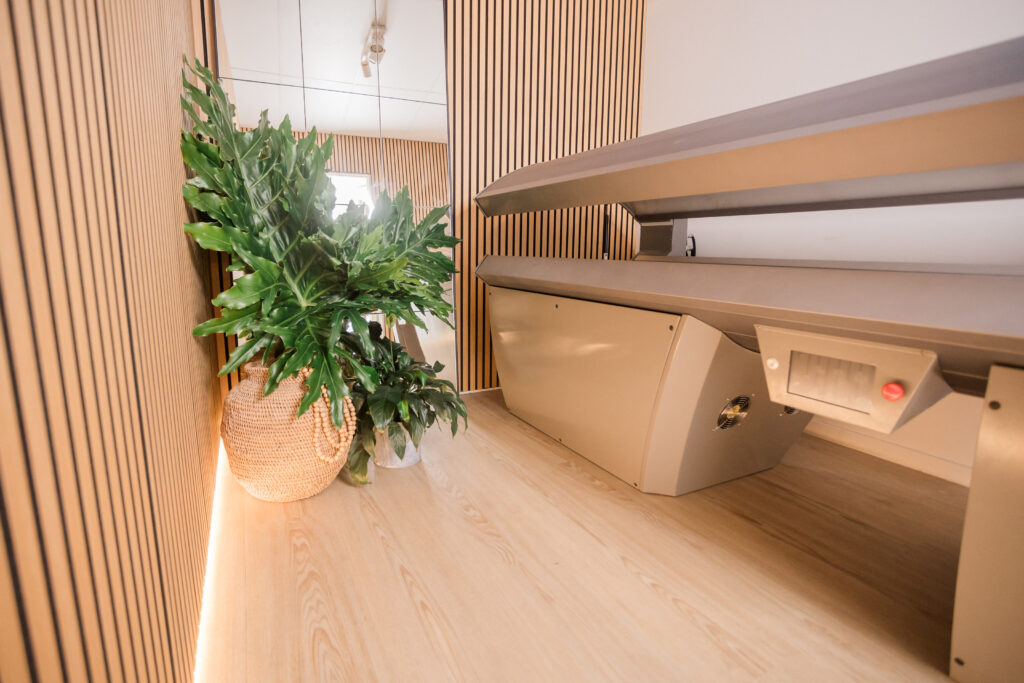
Clinical teams reviewing how long does red light therapy take to work often seek realistic timing data before adding photobiomodulation systems to treatment schedules. Session timing matters across dermatology clinics, rehabilitation centers, sports recovery programs, surgical support environments, and physician-led wellness facilities where treatment planning requires repeatable protocol structure.
Photobiomodulation does not follow a single response timeline across all tissue categories. Facial tissue, superficial circulation, muscle recovery, joint response, and post-procedure support can present different progression rates. Early session records may show short-interval metabolic response, yet visible or functional changes usually appear across repeated exposure blocks.
Professional evaluation often begins with a basic scientific question: how does red light therapy interact with living tissue under controlled wavelength exposure?
Red wavelengths and near-infrared wavelengths interact with cytochrome c oxidase inside mitochondria. Photon absorption changes electron transport activity, increases ATP generation, and shifts intracellular signalling. ATP availability supports cellular repair, fibroblast function, membrane stability, and metabolic turnover.
When clinics examine how long does red light therapy take to work, ATP response explains why tissue often reacts before visible structural change appears. Mitochondrial stimulation starts during early exposure sessions, yet collagen remodelling, vascular adaptation, and tissue recovery need repeated treatment intervals.
Nitric oxide dissociation from mitochondrial enzyme sites contributes to local vascular relaxation. Blood movement improves across treated zones, supporting oxygen delivery and nutrient transport.
Photobiomodulation timing changes according to tissue depth, vascular supply, treatment frequency, wavelength range, and dose density. Superficial facial tissue may present earlier visual changes than tendon or joint structures. Muscle tissue with active circulation may respond faster than scar tissue with slower metabolic turnover.
For clinics using full body red light therapy, broader treatment surface coverage introduces systemic scheduling advantages. Full-body systems expose multiple anatomical regions during one session, supporting circulation, muscle recovery, skin support, and wellness scheduling inside one protocol block.
Professional teams often review progress through scheduled documentation rather than isolated visual impressions.
A frequent clinical question concerns how does red light therapy work for pain when integrated into physiotherapy, sports medicine, or post-surgical support programs. Pain-related protocols usually target inflammatory tissue, muscular loading zones, tendon structures, or joint surfaces.
Red wavelengths support superficial structures. Near-infrared wavelengths reach deeper anatomical layers. Mitochondrial stimulation inside affected tissue can influence inflammatory signalling, circulation, and repair activity.
When practitioners study how long does red light therapy take to work for discomfort-related protocols, a short-interval response may appear after early sessions in some cases, yet repeated exposure across multiple weeks often provides stronger trend visibility in treatment records.
Fibroblast stimulation remains a major reason dermatology clinics review photobiomodulation systems. Collagen synthesis, extracellular matrix support, and dermal activity develop through repeated light exposure rather than an immediate structural shift.
Practices reviewing facial protocols often combine collagen-focused scheduling with physician-led resurfacing recovery, scar support, or barrier stabilisation plans. Session timing often ranges across several weekly visits before visible texture changes appear.
The question of how does red light therapy work in skin settings connects directly with fibroblast ATP supply, nitric oxide signalling, and microcirculatory support.
Full body red light therapy supports clinics seeking high treatment throughput across wellness, recovery, and performance environments. Large-format systems allow broad exposure across the back, lower limbs, shoulders, abdomen, and facial tissue within one session.
Operational value often includes:
For service planning, full-body systems often fit long-duration wellness programs where practitioners monitor sleep quality, tissue recovery, exercise readiness, and skin response.
Clinical teams often begin with several sessions each week during an initial protocol phase. Outcome review usually includes treatment logs, visual documentation, movement scores, tissue sensitivity notes, and practitioner observations.
When reviewing how long does red light therapy take to work, session frequency often matters more than isolated exposure duration. Underdosed schedules may delay measurable progress even when wavelength quality remains strong.
Professional records often include:
In clinical settings, a beginner protocol often refers to the first stage of device integration into a professional treatment schedule. New photobiomodulation programs often begin with controlled treatment blocks before broader service expansion.
Early metabolic response may occur during initial sessions. Functional tissue change often appears later. Skin, muscle, circulation, and recovery markers should be reviewed through trend-based documentation.
The question of how red light therapy works for pain remains linked with tissue type, inflammatory status, protocol consistency, and device output quality.
Clinical review of how long does red light therapy take to work requires attention to mitochondrial activation, ATP production, nitric oxide signalling, collagen activity, circulation, and tissue recovery across repeated treatment intervals. Full body red light therapy offers broad scheduling value for clinics seeking multi-zone treatment capacity under one photobiomodulation platform.
Professional systems from Total XEN support clinics seeking dependable photobiomodulation equipment built for repeatable clinical use, stable wavelength delivery, and evidence-informed treatment planning.
Un bonus fără depunere oferă acces la jocuri online fără ca utilizatorul să alimenteze mai întâi contul. În cazul unui
Uneori, divertismentul începe înainte să apară vreun joc pe ecran. Poate fi un moment liniștit, la finalul unei zile aglomerate,
Online casino entertainment is often described through its games, but the first impression usually comes from everything around them. A
An online casino can feel busy before a game has even appeared on screen. Bright tiles, animated banners, crowded menus