

Bonusul Las Vegas fără depunere: plafonul câștigurilor și limitele de retragere
Un bonus fără depunere oferă acces la jocuri online fără ca utilizatorul să alimenteze mai întâi contul. În cazul unui
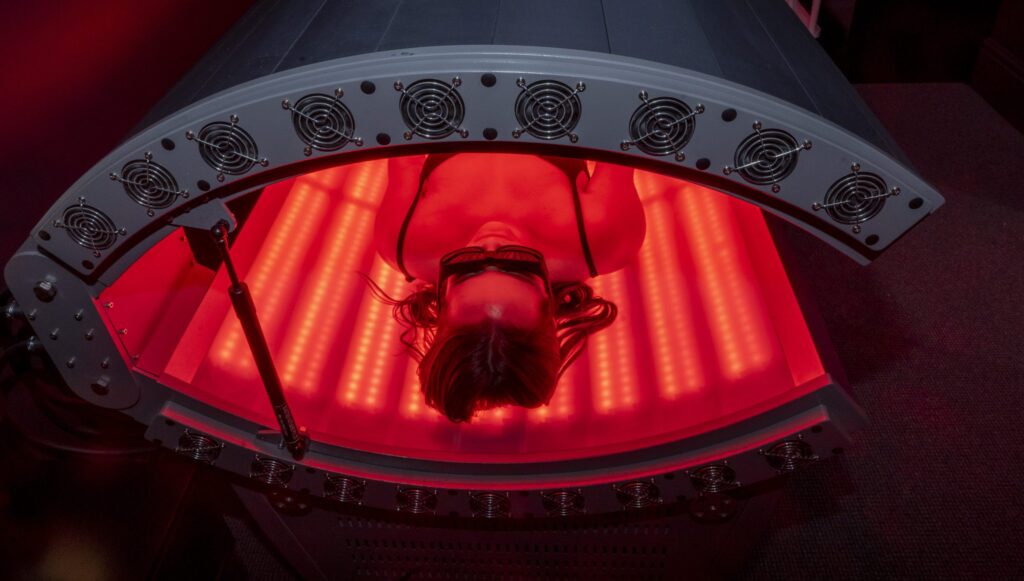
Sleep quality is closely tied to recovery, tissue repair, and long-term wellness outcomes. In clinical practice, patients often report difficulty falling asleep, frequent waking, or feeling unrefreshed despite adequate sleep duration.
These challenges are commonly associated with pain, inflammation, stress, and nervous system dysregulation.
Red light therapy, delivered through professional photobiomodulation systems, is increasingly used to support sleep quality as part of structured clinical programs.
This article explains how to use red light therapy for sleep in a professional setting, with a focus on application strategies, clinical observations, and realistic expectations.
Deep sleep plays a critical role in physical and neurological recovery. During this phase, the body prioritizes cellular repair, immune regulation, and hormonal balance. When deep sleep is consistently disrupted, recovery processes slow.
Clinics frequently see that patients with poor deep sleep experience slower healing, increased pain sensitivity, and reduced treatment response.
Improving sleep depth can therefore enhance the effectiveness of rehabilitation, recovery, and wellness programs.
Red light therapy is a form of photobiomodulation that uses red and near-infrared wavelengths to stimulate cellular activity.
Research indicates that these wavelengths interact with mitochondria, supporting ATP production and cellular energy availability.
Unlike stimulating light sources, red and near-infrared light does not promote alertness when used appropriately. Clinics use it to support physiological balance rather than induce sedation, which makes it suitable for sleep-related protocols.
Circadian rhythm is strongly influenced by light wavelength and timing. Blue and white light signals wakefulness and suppresses melatonin production. Red light behaves differently within the body.
Research indicates that red and near-infrared wavelengths have minimal impact on melatonin suppression. Clinics often observe that patients feel calmer following sessions, suggesting a shift toward parasympathetic nervous system activity rather than stimulation.
Understanding how to use red light therapy for better sleep requires consistency and structured protocols. Clinics that report positive outcomes typically focus on timing, session design, and patient tolerance.
Sleep-focused red light therapy is usually scheduled in the late afternoon or early evening. This timing supports relaxation without interfering with natural sleep onset.
There is no universal protocol, but clinical patterns are consistent across settings.
Sleep quality is influenced by systemic regulation rather than isolated tissue effects. For this reason, clinics often prefer full-body exposure.
Sleep-related outcomes are typically reported subjectively and develop over weeks rather than days. Clinics often notice consistent patterns across patient populations.
These observations align with gradual physiological adaptation rather than immediate effects.
Pain and inflammation are common contributors to poor sleep quality. Discomfort during the night can fragment sleep and reduce time spent in deep sleep stages.
Research indicates that photobiomodulation can support circulation and inflammation modulation. Clinics using red light therapy for recovery frequently report secondary sleep improvements as physical discomfort decreases.
In this context, red light therapy supports sleep indirectly by improving recovery capacity and reducing barriers to uninterrupted rest.
Clinics that achieve consistent outcomes typically integrate red light therapy into existing treatment frameworks rather than positioning it as a standalone solution.
This integrated model aligns with evidence-based clinical practice.
Professional red light therapy systems are designed for controlled clinical environments. Proper oversight ensures predictable and safe outcomes.
Clinics prioritize systems that deliver consistent light exposure and reliable performance.
Clear communication improves satisfaction and compliance. Clinics that explain outcomes accurately tend to see better long-term engagement.
Transparency reinforces clinical trust.
Sleep-related outcomes depend on consistency, safety, and reliability. Professional-grade photobiomodulation systems are designed to support these requirements.
Clinics often consider treatment consistency, patient comfort, workflow integration, and long-term ROI when selecting systems. These factors directly influence how effectively sleep-focused programs can be delivered.
Understanding how to use red light therapy for sleep requires a professional, evidence-aware approach. Red light therapy does not replace sleep hygiene or medical care. Instead, it supports cellular energy, nervous system regulation, and recovery processes that contribute to deeper, more restorative sleep.
When applied consistently within a clinical framework, clinics often observe improved relaxation, recovery quality, and perceived sleep depth.
Un bonus fără depunere oferă acces la jocuri online fără ca utilizatorul să alimenteze mai întâi contul. În cazul unui
Uneori, divertismentul începe înainte să apară vreun joc pe ecran. Poate fi un moment liniștit, la finalul unei zile aglomerate,
Online casino entertainment is often described through its games, but the first impression usually comes from everything around them. A
An online casino can feel busy before a game has even appeared on screen. Bright tiles, animated banners, crowded menus