

Bonusul Las Vegas fără depunere: plafonul câștigurilor și limitele de retragere
Un bonus fără depunere oferă acces la jocuri online fără ca utilizatorul să alimenteze mai întâi contul. În cazul unui
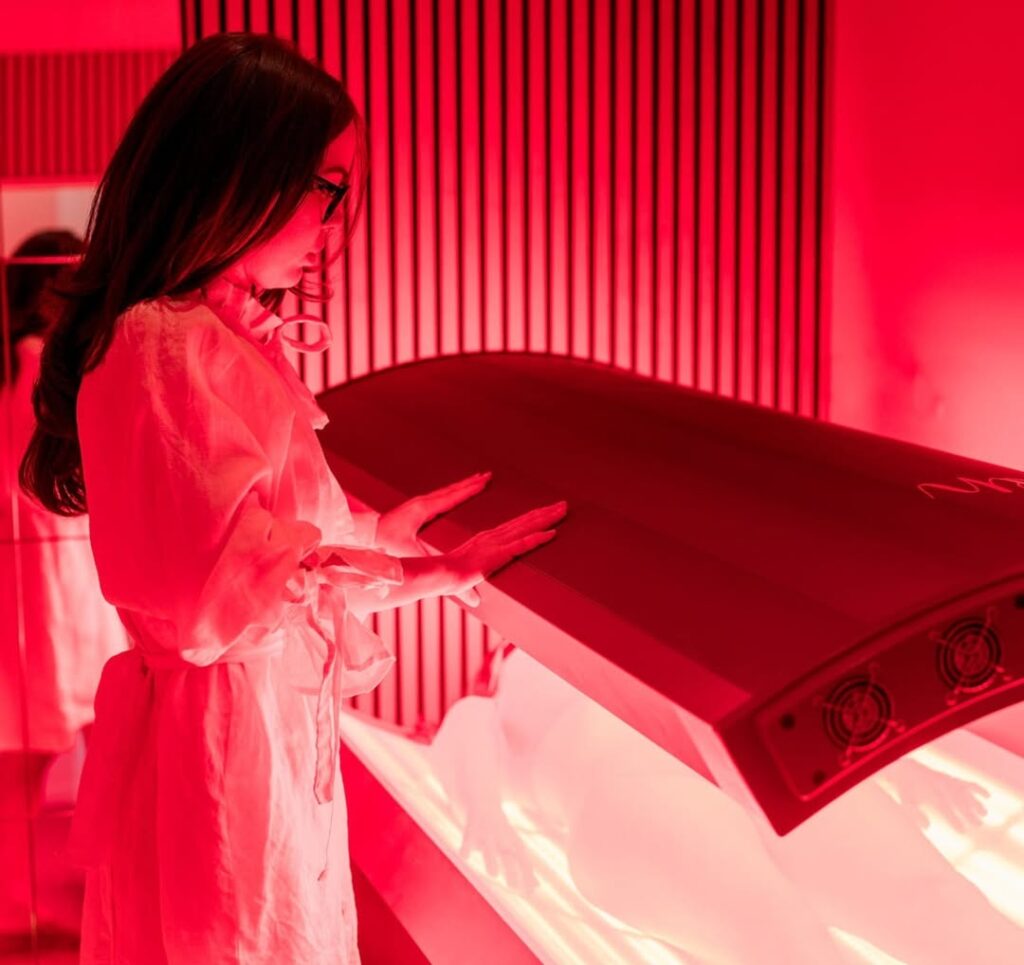
Quality sleep is one of the strongest predictors of physical recovery, cognitive performance, and long-term health. Yet for many patients, restorative sleep remains difficult to achieve even when lifestyle and clinical interventions are in place.
This has led healthcare and wellness professionals to explore supportive, non-invasive modalities that work with the body rather than override it.
One area gaining steady clinical interest is red light therapy. Used correctly within a professional setting, photobiomodulation has shown promising links to improved sleep quality, circadian regulation, and overnight recovery.
This article explores the benefits of red light therapy for sleep, grounded in current research and clinic-reported outcomes, and explains why it fits naturally into evidence-informed care models.
Red light therapy is a form of photobiomodulation. It uses specific wavelengths of red and near infrared light to interact with cells and support normal biological processes.
In professional systems, light exposure is controlled, consistent, and delivered under protocols designed for safety and repeatability.
Clinicians already use red light therapy to support tissue repair, inflammation reduction, circulation, and recovery. Sleep benefits are not isolated effects.
They are often secondary outcomes linked to improved cellular energy, nervous system balance, and reduced physiological stress.
When discussing red light therapy benefits, it is important to separate clinical application from consumer trends. Professional systems are designed for whole body exposure and therapeutic consistency, not short-term stimulation.
Sleep is regulated by complex interactions between the brain, hormones, and the nervous system. Light exposure plays a central role in this process.
Blue light exposure in the evening is well known to suppress melatonin production. Red light behaves differently. Research indicates that red and near infrared wavelengths do not suppress melatonin in the same way and may support natural circadian signaling when applied appropriately.
Melatonin is not only a sleep hormone. It is also a powerful antioxidant involved in cellular repair. Preserving natural melatonin rhythms supports both sleep quality and overnight recovery processes.
Clinics exploring red light therapy often focus on how light exposure interacts with mitochondrial function rather than acting as a sedative. This distinction is key.
At the cellular level, photobiomodulation is associated with mitochondrial activation. Red and near infrared light are absorbed by cytochrome c oxidase, an enzyme involved in ATP production.
ATP is the body’s primary energy molecule. Adequate cellular energy during the day supports healthier nervous system signaling at night.
Research indicates that improved mitochondrial efficiency can influence how the body transitions between wakefulness and rest.
Clinics often observe that patients report feeling more physically relaxed and balanced after consistent red light therapy sessions. Over time, this may translate into easier sleep onset and fewer nighttime disruptions.
Rather than forcing sleep, photobiomodulation supports the biological conditions that allow sleep to occur naturally.
Circadian rhythm disruption is common in modern patients. Shift work, screen exposure, chronic stress, and irregular schedules all interfere with the body’s internal clock.
Some studies suggest that red light exposure, when timed earlier in the day or early evening, may help reinforce circadian signaling without overstimulating the nervous system. Unlike high-intensity white or blue light, red light does not strongly signal daytime alertness to the brain.
This is one reason clinics integrate red light therapy into recovery focused protocols rather than late-night stimulation. Patients often describe feeling calm rather than wired after sessions.
These observations help explain the growing interest in the benefits of red light therapy for sleep within integrative care environments.
Sleep quality is closely tied to nervous system balance. Many patients struggle with hyperarousal driven by chronic stress, pain, or inflammation.
Photobiomodulation has been studied for its effects on inflammation reduction and circulation. Improved blood flow and reduced inflammatory signaling may help calm sympathetic nervous system activity.
Clinicians report that patients receiving consistent red light therapy often describe reduced muscle tension and a general sense of physical ease. These effects are especially relevant for patients whose sleep is disrupted by discomfort or restlessness.
Rather than acting directly on the brain, red light therapy appears to support sleep indirectly by improving physical comfort and physiological readiness for rest.
Pain is a major contributor to poor sleep. Even low-level discomfort can fragment sleep cycles and prevent deep restorative stages.
Red light therapy is commonly used in rehabilitation and recovery settings to support tissue healing and pain modulation. Research indicates that photobiomodulation may reduce inflammatory markers and improve circulation in affected tissues.
Clinics frequently observe that when pain levels decrease, sleep continuity improves. Patients often report fewer awakenings and longer periods of uninterrupted sleep after several weeks of consistent use.
This link between pain management and sleep quality reinforces the broader value of red light therapy as part of comprehensive care.
While sleep research continues to evolve, clinics using professional red light therapy systems consistently report patterns worth noting.
Patients often describe:
Importantly, these outcomes are typically reported after several weeks of consistent exposure. Red light therapy is not positioned as an immediate sleep aid. It is a supportive modality that works through cumulative physiological effects.
This aligns well with professional expectations around realistic timelines and measurable outcomes.
Not all red light therapy devices are created equal. For sleep-related benefits, consistency, wavelength control, and exposure coverage are critical.
Professional full body systems are designed to deliver even light distribution and reliable output across treatment areas. This allows clinicians to follow standardized protocols and monitor patient responses.
Safety is central. Clinics value systems that are engineered for repeated use, patient comfort, and predictable performance. These factors influence both clinical outcomes and patient confidence.
When discussing red light therapy benefits, it is always within the context of trained professional oversight and evidence-informed protocols.
Sleep intersects with nearly every area of health. From recovery and skin repair to pain management and mental clarity, poor sleep limits outcomes.
Clinics increasingly view red light therapy as a foundational support modality rather than a niche add-on. Its non-invasive nature, broad physiological effects, and compatibility with existing treatments make it a practical choice.
For practice owners, patient satisfaction and repeatability matter. Patients who sleep better often recover better and perceive greater value in their care experience.
The growing interest in the benefits of red light therapy for sleep reflects a shift toward therapies that support the body’s natural processes rather than override them.
Research indicates meaningful connections between photobiomodulation, mitochondrial function, nervous system regulation, and recovery. Clinics observe sleep improvements as part of this broader physiological picture.
When implemented professionally, red light therapy becomes a reliable, scalable tool that aligns with modern clinical values of safety, consistency, and measurable outcomes.
Un bonus fără depunere oferă acces la jocuri online fără ca utilizatorul să alimenteze mai întâi contul. În cazul unui
Uneori, divertismentul începe înainte să apară vreun joc pe ecran. Poate fi un moment liniștit, la finalul unei zile aglomerate,
Online casino entertainment is often described through its games, but the first impression usually comes from everything around them. A
An online casino can feel busy before a game has even appeared on screen. Bright tiles, animated banners, crowded menus