

O seară digitală cu lumină, ritm și voie bună
Uneori, divertismentul începe înainte să apară vreun joc pe ecran. Poate fi un moment liniștit, la finalul unei zile aglomerate,
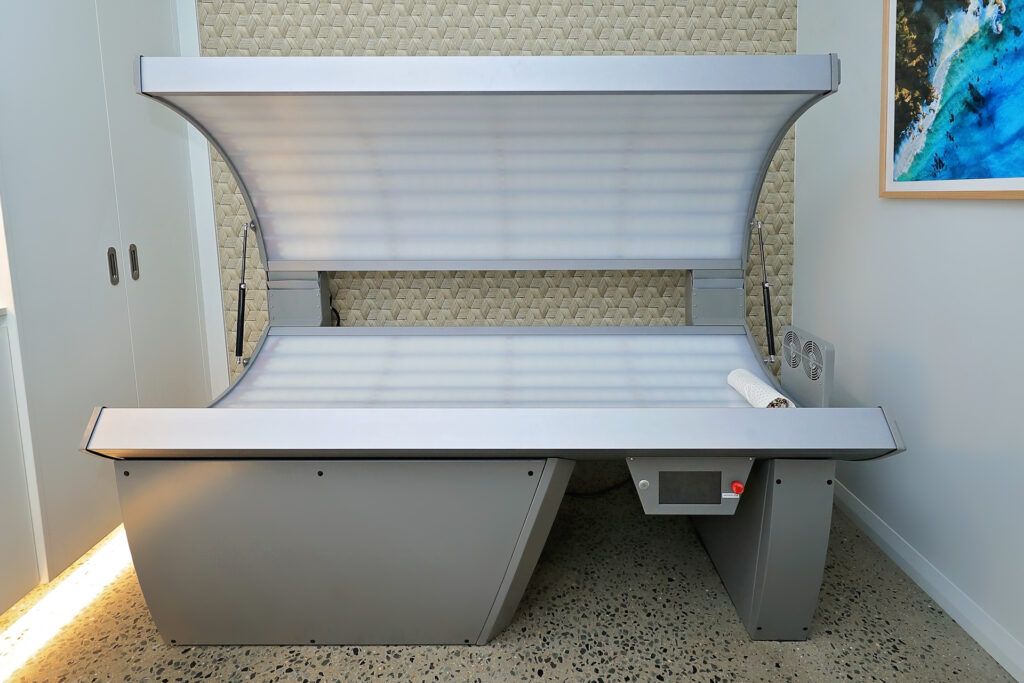
Mood health is increasingly part of everyday clinical conversations. Patients often describe low energy, disrupted sleep, and persistent stress that affects both physical and emotional wellbeing.
As interest grows in non-invasive support options, red light therapy is gaining attention within professional settings for its potential role in mood balance.
For clinicians and wellness providers, the key question is not whether trends exist, but whether there is meaningful, observable value in practice. Understanding how red light therapy fits into mood support requires a closer look at the science, patient experience, and clinical application.
Light has always played a role in regulating human biology. Natural sunlight influences circadian rhythms, hormone release, and overall energy levels. When exposure to healthy light patterns is disrupted, patients may experience fatigue, poor sleep quality, and low mood.
Red light therapy, also known as photobiomodulation, uses specific wavelengths of red and near-infrared light to interact with the body at a cellular level. Unlike UV light, it does not damage tissue. Instead, it is designed to support biological processes linked to recovery and regulation.
Research indicates that light exposure in targeted wavelengths may influence mitochondrial activity. This is important because mitochondria are responsible for producing ATP, the energy source that powers cellular function. When cellular energy improves, patients often describe better physical recovery, which can indirectly support mood stability.
Mood is complex and influenced by multiple systems, including neurological, hormonal, and physiological processes. Red light therapy does not act as a direct psychological treatment, but it may support several underlying mechanisms connected to emotional wellbeing.
When cells function efficiently, the body can better manage stress and fatigue. Research suggests that photobiomodulation may support mitochondrial efficiency and ATP production.
Clinics often observe that patients report improved energy levels after consistent sessions, which can contribute to a more stable mood.
Sleep disruption is closely linked to mood imbalance. Patients experiencing poor sleep often report irritability, low motivation, and cognitive fog. Red light therapy is sometimes used in clinical routines to support relaxation and recovery, particularly in the evening.
Patients often describe improved sleep patterns over time, which may help regulate mood naturally. While this is not a standalone solution for sleep disorders, it can be a supportive component within a broader care plan.
Chronic inflammation has been associated with both physical discomfort and mood-related challenges. Photobiomodulation is commonly studied for its role in supporting inflammation reduction and tissue repair.
Clinics using red light therapy frequently report that patients experience reduced physical discomfort and improved recovery. When the body is under less physiological stress, emotional resilience may improve as well.
Interest in light-based therapies for mood is not new. Bright light therapy has long been used in managing seasonal mood changes. Red light therapy represents a different approach, focusing on cellular function rather than visual stimulation.
Emerging research indicates that near-infrared light may influence brain function through improved blood flow and cellular activity. Some studies suggest potential benefits in supporting cognitive clarity and reducing fatigue-related symptoms.
It is important to note that findings are still developing. However, early data combined with clinical observations suggest that red light therapy may play a supportive role in overall wellbeing, including mood balance.
In professional settings, outcomes are often best understood through consistent use and patient feedback rather than isolated sessions.
Clinics that incorporate red light therapy into wellness or recovery programs often observe:
Patients commonly describe the experience as calming and restorative. While individual responses vary, the consistency of these reports across different settings has contributed to growing clinical interest.
For healthcare and wellness providers, implementation is less about trends and more about reliability and patient outcomes.
Red light therapy is typically integrated as part of a broader treatment approach, which may include:
Because it is non-invasive and generally well-tolerated, it can be used alongside other modalities without significant disruption to existing workflows.
Consistency is a key factor. Clinics often structure treatment plans over several weeks, allowing patients to experience cumulative benefits rather than expecting immediate results.
One of the reasons red light therapy has gained traction in clinical environments is its safety profile when used correctly. Professional systems are designed to deliver controlled, consistent exposure suited for therapeutic use.
Providers should ensure:
Patients value treatments that feel both safe and effective. This is particularly important when addressing areas like mood, where trust and consistency play a central role in outcomes.
It is important to position red light therapy accurately within patient care. It is not a replacement for mental health treatment, nor should it be presented as a cure for mood disorders.
Instead, it is best understood as a supportive modality.
Patients often benefit most when it is used to:
Clear communication helps build realistic expectations and improves patient satisfaction over time.
The growing interest in red light therapy benefits for mood reflects a broader shift toward integrative care. Patients are increasingly looking for solutions that support both physical and emotional wellbeing without invasive procedures.
For clinics, this creates an opportunity to expand service offerings while maintaining a focus on evidence-based care. When implemented thoughtfully, red light therapy can enhance patient experience and contribute to long-term engagement.
Red light therapy continues to evolve as a valuable tool within professional healthcare and wellness environments. While research into its effects on mood is still developing, the connection between cellular energy, recovery, sleep, and emotional balance provides a strong foundation for its use.
Clinics often observe that when patients feel physically better, they also report improvements in mood and overall wellbeing. This reinforces the importance of addressing health holistically rather than in isolation.
Uneori, divertismentul începe înainte să apară vreun joc pe ecran. Poate fi un moment liniștit, la finalul unei zile aglomerate,
Online casino entertainment is often described through its games, but the first impression usually comes from everything around them. A
An online casino can feel busy before a game has even appeared on screen. Bright tiles, animated banners, crowded menus
Curiosity about an online casino often begins with a glance rather than a decision. A visitor notices a familiar visual