

Bonusul Las Vegas fără depunere: plafonul câștigurilor și limitele de retragere
Un bonus fără depunere oferă acces la jocuri online fără ca utilizatorul să alimenteze mai întâi contul. În cazul unui
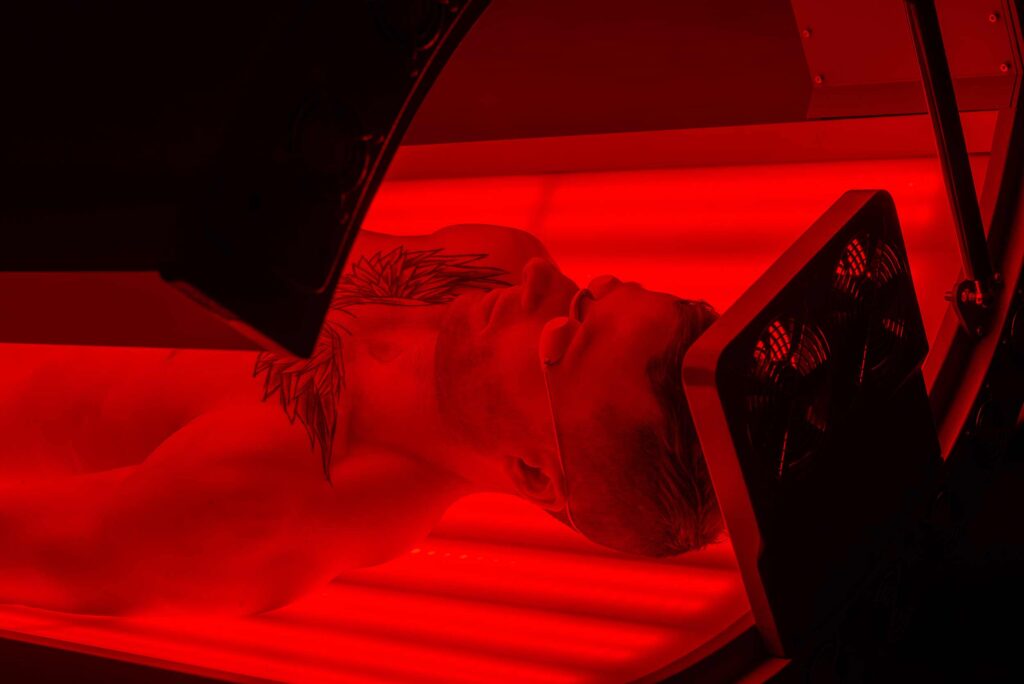
Significant weight loss is a major achievement for many patients. It often reflects months of lifestyle change, structured programs, and clinician-guided support. The next challenge many patients face is loose or lax skin.
While this outcome is common, it can affect confidence, comfort, and overall satisfaction with the weight loss journey. Clinics look for noninvasive options that help improve firmness and skin quality.
This is where red light therapy for loose skin after weight loss has gained attention among healthcare and wellness professionals.
This article explores how red light therapy fits into post–weight loss care, what the research suggests, and how professional full-body systems can support predictable outcomes in clinical environments.
Loose skin forms when the structural proteins in the dermis stretch for long periods. Collagen and elastin gradually lose recoil capacity. When weight loss is rapid or involves large volume changes, the skin cannot always retract at the same pace.
Clinicians report that patients with the following characteristics often experience more pronounced skin laxity:
These variables influence how quickly the skin can remodel. Most clinics operate in a space where patients want realistic, noninvasive strategies to support that process.
Red light therapy, also known as photobiomodulation, uses specific wavelengths of visible red and near-infrared light. Research indicates these wavelengths can stimulate cellular activity linked to repair, collagen formation, and improved circulation.
Professionals value this modality because it is nonthermal and suitable for a broad range of patients, including those who are not candidates for more aggressive procedures.
When clinics incorporate red light therapy for loose skin after weight loss, they often do so to complement existing approaches. It is rarely a standalone solution for severe laxity. However, many practices find it beneficial as part of a staged strategy for skin quality improvement.
Clinics commonly observe the following:
These observations align with emerging research that highlights red light’s effect on cellular energy and remodeling capacity.
Many clinicians are already familiar with the cellular pathways influenced by photobiomodulation. The key is understanding how these pathways support the needs of post–weight loss skin.
Red and near-infrared wavelengths can be absorbed by chromophores within the mitochondria. Research suggests this interaction helps increase ATP production.
More cellular energy means more capacity for repair, remodeling, and protein synthesis, all of which are important for skin firmness.
Loose skin is primarily a collagen challenge. Studies indicate that red light exposure may stimulate fibroblasts. Clinics often report improved skin density and firmness over several weeks of consistent treatment. These changes tend to appear gradually, which aligns with natural collagen turnover cycles.
Improved blood flow can support tissue recovery. Many professionals note that patients report better skin hydration and healthier tone. Enhanced microcirculation allows nutrients, oxygen, and immune cells to reach the dermis more effectively.
Following major weight changes, skin may show signs of stress or irritation. Red light has been shown to help support healthier inflammatory responses. This can contribute to patient comfort and better skin resilience.
For post–weight loss cases, loose skin typically appears across multiple regions. It is not limited to one localized area. Full-body photobiomodulation systems allow clinicians to treat large surface areas consistently, which improves workflow efficiency and overall experience.
Professionals often choose full-body systems for the following reasons:
Systems designed for clinical use help create structured treatment plans that align with evidence-based protocols and professional expectations for reliability.
Loose skin recovery is gradual. Clinicians who incorporate red light therapy for loose skin after weight loss often emphasize the importance of realistic timelines. Improvements usually appear within several weeks to months. The goal is not instant tightening but progressive support for healthier skin architecture.
Patients tend to respond best when expectations are framed within the following guidelines:
It contributes to cellular activity but cannot fully replace surgical tightening for severe skin redundancy. Many clinics position it as a complementary modality that helps improve skin quality, comfort, and appearance.
Most practices recommend multiple sessions per week during the first phase. This aligns with what research suggests about frequency and cumulative dose.
Hydration, nutrition, and general skin health influence outcomes. Red light works within a broader picture of patient wellness.
Age, skin integrity, medical history, and the amount of weight lost all play a role. Clinics often share that younger patients or those with moderate laxity tend to notice improvements sooner.
In many practices, photobiomodulation is not used in isolation. It pairs well with other noninvasive approaches because it supports cellular repair without heat or tissue disruption.
Clinicians commonly combine red light therapy with:
This multimodal approach helps clinics create comprehensive skin recovery plans while positioning red light therapy as a foundational support element.
When selecting a full-body photobiomodulation system, clinicians typically prioritize safety, ease of use, and reliable performance. Systems designed for medical and wellness environments should offer:
These qualities support better treatment consistency and patient satisfaction. Clinicians value solutions that help maintain clear protocols and repeatable outcomes.
TX Transform develops full-body red light therapy systems specifically for clinical environments. The focus is on reliable engineering, consistent exposure, and patient comfort.
Clinics often select TX Transform when they need a dependable platform that supports wellness programs, recovery therapy, and skin-focused outcomes.
TX Transform systems are designed to:
Practices often report high patient satisfaction, especially in programs centered on recovery, rejuvenation, or post–weight loss support.
Loose skin after weight loss is a complex concern with physical and emotional dimensions. Red light therapy provides clinicians with a noninvasive, research-backed tool that supports the skin’s natural repair processes.
It helps improve tone, texture, and overall skin quality over time. For many practices, it has become a valuable adjunct within broader treatment programs.
For clinics looking to add structured, full-body photobiomodulation to their services, a professional-grade system is essential.
Un bonus fără depunere oferă acces la jocuri online fără ca utilizatorul să alimenteze mai întâi contul. În cazul unui
Uneori, divertismentul începe înainte să apară vreun joc pe ecran. Poate fi un moment liniștit, la finalul unei zile aglomerate,
Online casino entertainment is often described through its games, but the first impression usually comes from everything around them. A
An online casino can feel busy before a game has even appeared on screen. Bright tiles, animated banners, crowded menus